
Why Is Low-Bleed White Bleaching My Cotton T-Shirts?
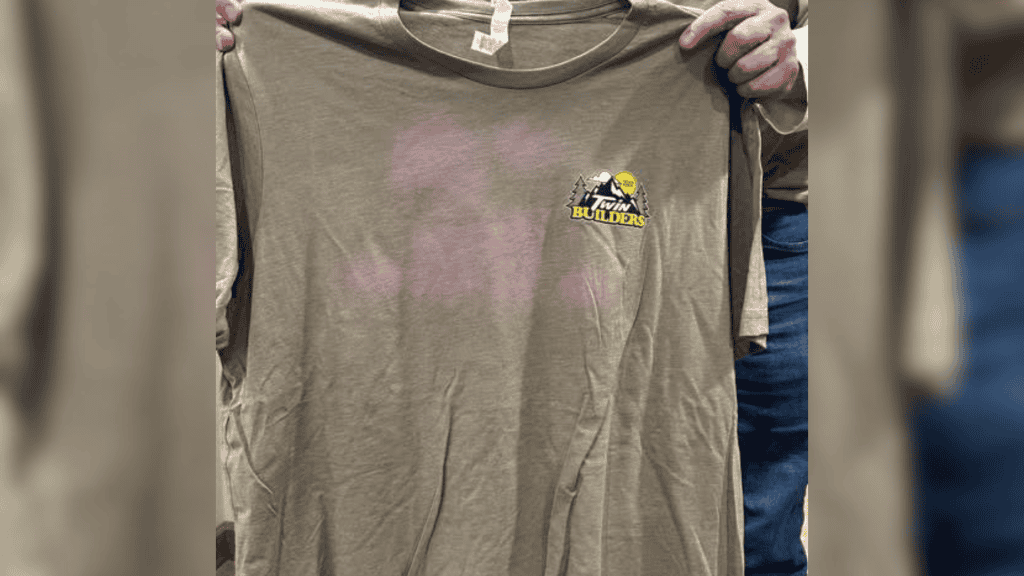
When the Same Screen Printing Process Suddenly Stops Working There is a screen printing problem we’ve been helping printers troubleshoot more frequently lately. They have been using the same low-bleed white ink on cotton garments for years. Same ink, same press, same dryer and seemingly the same process. Then one batch of cotton T-shirts comes […]
How to Standardise Mesh Count in Your Screen Printing Shop

Start at 77T. Move Down for Deposit. Move Up for Detail. Screen printers spend a lot of time removing variables from production. We standardise inks, exposure settings, squeegee pressure, dryer temperatures and artwork requirements because consistency makes a print shop easier to run. Mesh selection should be treated the same way. Many shops build up […]
5 Benefits of UPLC FlexiCure During Winter
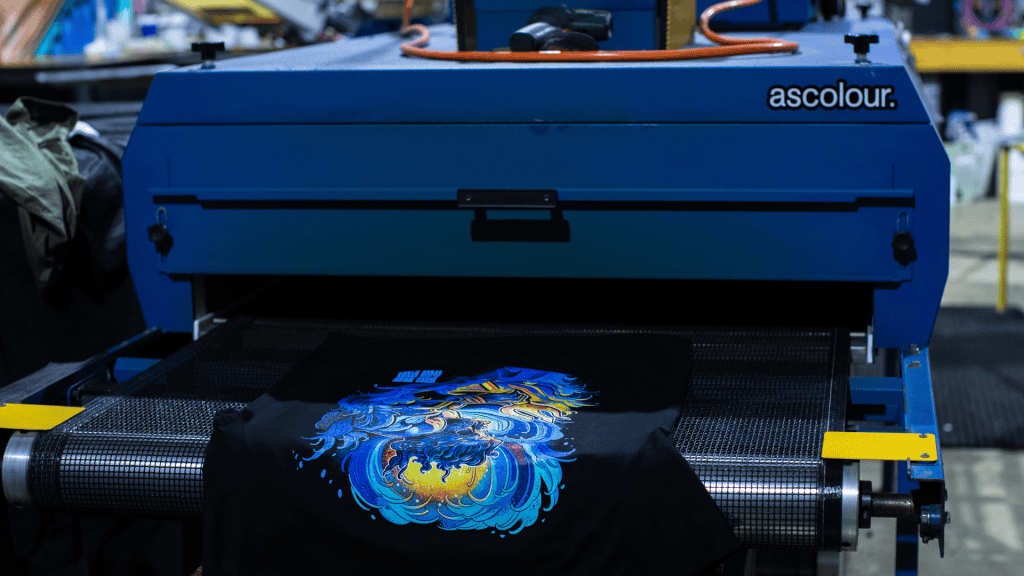
Winter Exposes Weak Ink Systems Winter production is rarely simple. As the weather cools down, screen printers generally start seeing more hoodies, fleece garments, cotton/poly blends, polyester-rich fabrics, workwear, heavier apparel, and darker garments. These are the products customers want during colder months, but they are also the garments that often demand more control from […]
Why Your Flash Times Change In Winter
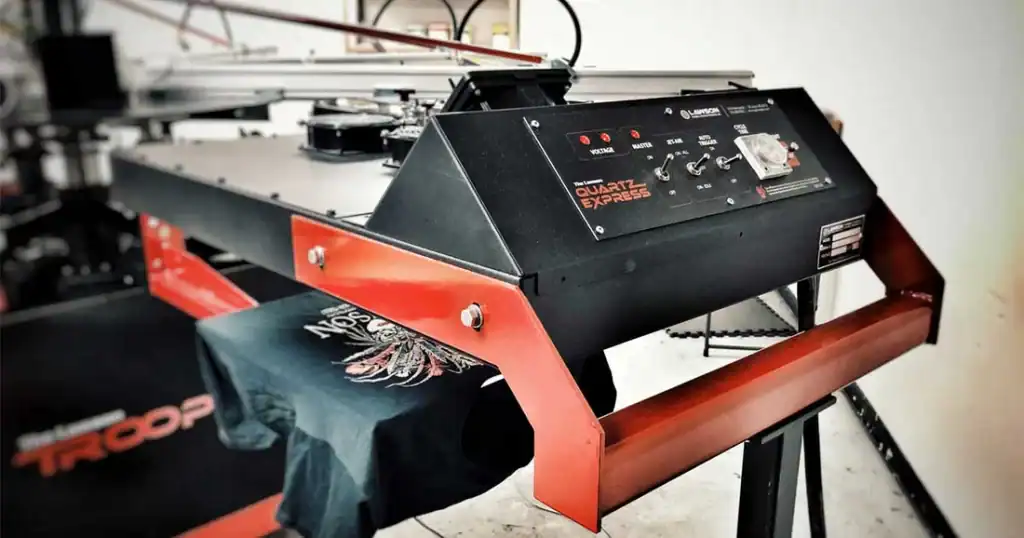
Your Flash Unit Didn’t Get Weaker. Your Hoodies Got Wetter. Every winter, screen printers start noticing the same thing. Jobs that flashed perfectly a few months ago suddenly feel different. The flash seems slower. The ink takes longer to gel. Production feels less predictable. And naturally, most screen printers start looking at the equipment. Maybe […]
Why Hoodie Jobs Become Harder to Print in Winter
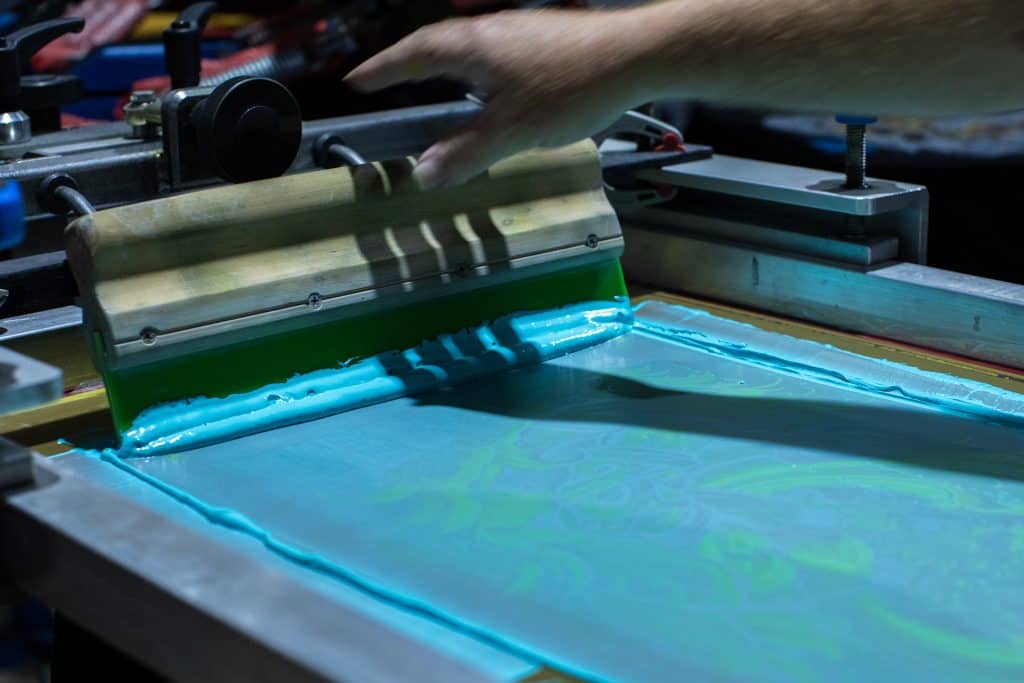
The Hidden Moisture Problem Most Screen Printers Never Consider Every winter, the same thing happens. The hoodie orders start rolling in. And somewhere during the season, many screen printers experience something strange. A job that should print perfectly suddenly feels different. The flash feels slower. The garments seem colder. The prints don’t behave quite the […]
Price Increase & Shipping Policy Update 2026

Hi Everyone, We wanted to give our customers plenty of notice regarding some upcoming pricing and freight adjustments that will take effect from 1st July 2026. Like many businesses across the industry, we have continued to experience rising costs across imported freight, transport, warehousing, compliance, and day to day operations. We have worked hard to […]
Why Ink Won’t Stick to Some Plastics
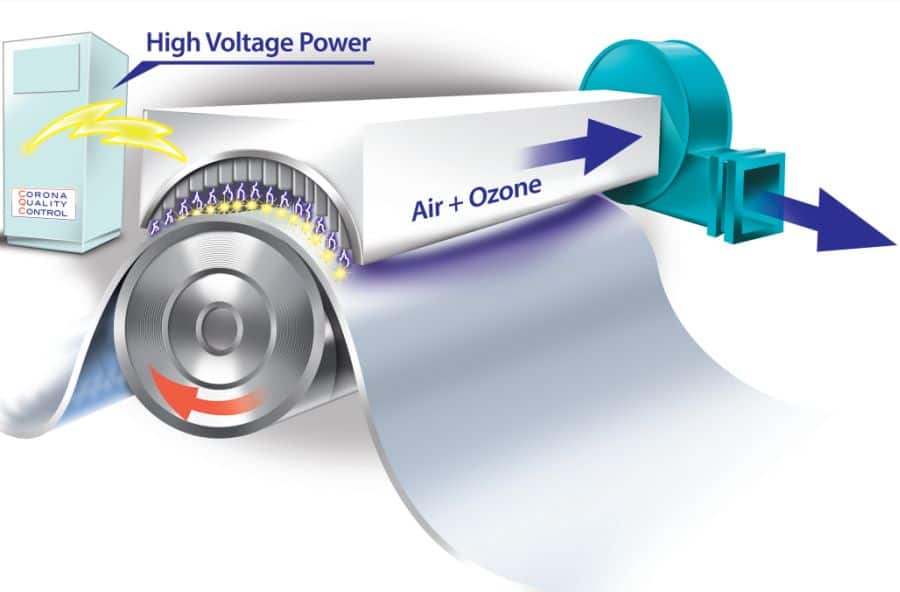
Corona Treatment, Surface Energy & Dyne Testing Explained for Graphic Printers There’s a frustrating problem that shows up in graphic printing, label printing, and packaging work. The print looks fine initially.The ink appears to wet out properly.The coating seems to cover evenly. Then later, it fails. The ink scratches off.The coating lifts.Adhesion breaks down during […]
You’re not using too much chemical… you’re using it wrong.
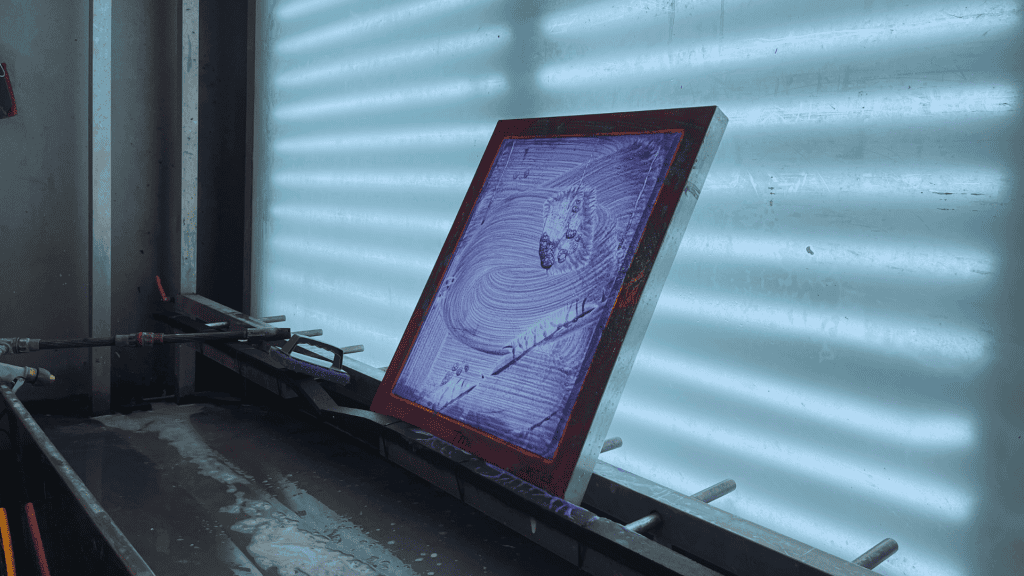
As work starts to ramp up—especially heading into heavier garment runs—most screen printers notice the same thing. Chemicals start disappearing faster than expected. Screenwash gets chewed through.Dip tanks lose strength quicker.Haze remover gets used more often than it should. The natural reaction is:👉 “we need more product” But in most cases, that’s not the issue. […]
Polyester dyes: what you’re actually printing on
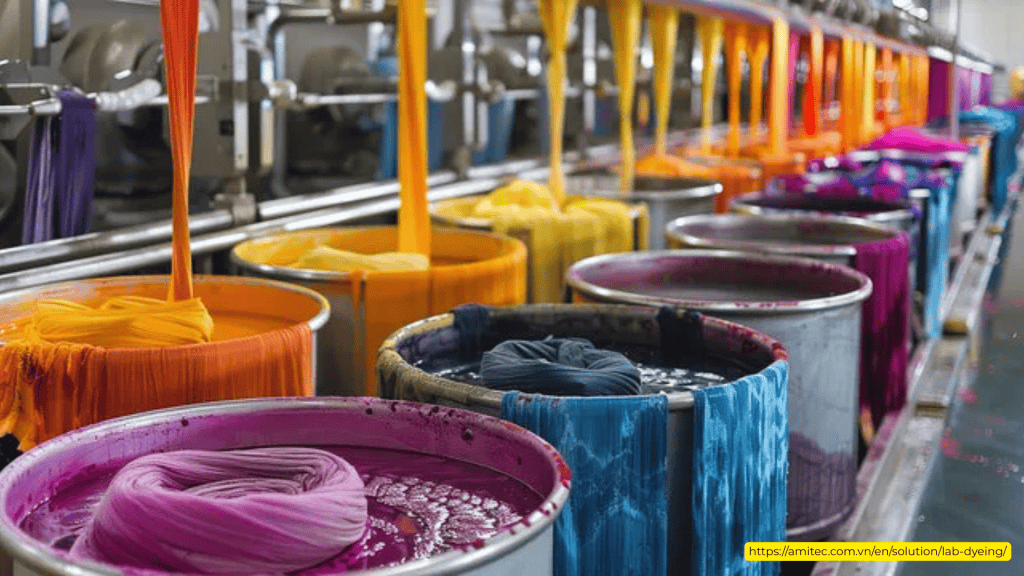
To really understand dye migration, you have to stop thinking about the garment as just “polyester” and start thinking about what’s inside the fibre. Because you’re not printing onto polyester. 👉 You’re printing onto polyester that’s been dyed using disperse dye systems And that dye system is what determines whether a garment behaves… or causes […]
What does “Low Bleed” Mean in Screenprinting? And Why It Matters in Hoodie Season
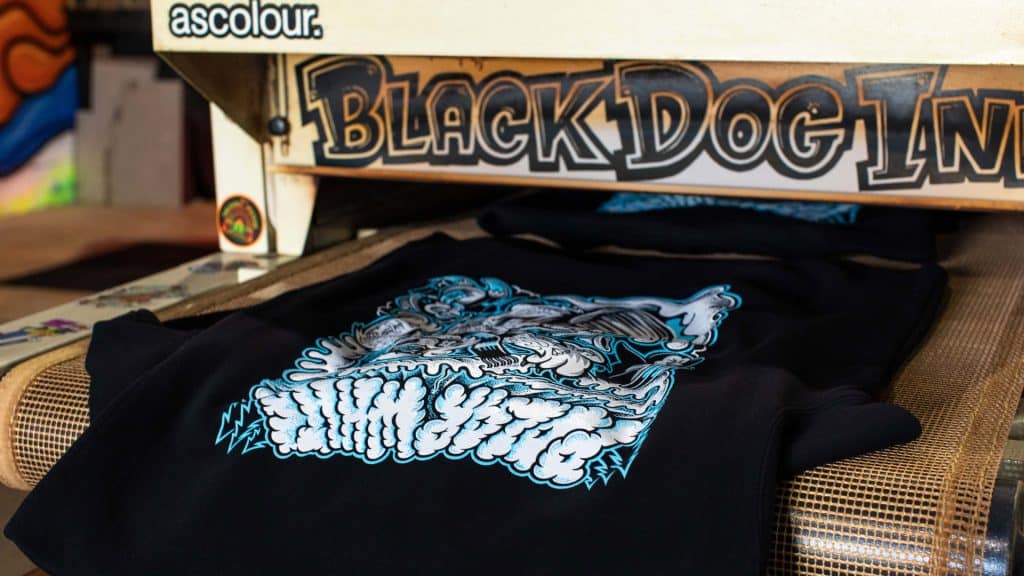
As the weather cools down, print shops start seeing the same shift. There are more hoodies on press. More fleece. More polyester blends. More dark garments that look great blank on the shelf and then start causing problems the moment heat gets involved. That’s usually when the phrase “low bleed” starts showing up again. It […]