Winter Exposes Weak Ink Systems
Winter production is rarely simple.
As the weather cools down, screen printers generally start seeing more hoodies, fleece garments, cotton/poly blends, polyester-rich fabrics, workwear, heavier apparel, and darker garments. These are the products customers want during colder months, but they are also the garments that often demand more control from the ink system.
They do not always behave like a standard cotton t-shirt.
Some are thicker. Some contain polyester. Some need stronger opacity. Some are prone to dye migration. Some need a blocker. Some need softer prints because the garment itself is already heavy. Some need colours that stay bright over a properly built underbase.
That is where the UPLC FlexiCure range becomes valuable.
UPLC is not simply a “low cure” system. It is a flexible cure system built around a broad cure range of 132°C to 160°C across key products in the family, including UPLC UNIMIX colours, UPLC1073 G2 Sport LC LB Polar White, UPLC1030 Cotton White, and UPLC1550 Barrier Grey.
That distinction matters.
If an ink system were only designed around one narrow cure point, the printer would have less room to adapt. UPLC gives screen printers a broader working range, allowing the print setup to be adjusted based on the garment, the ink deposit, the print stack, and the production conditions.
During winter, when garment compositions become more varied, that flexibility becomes a serious production advantage.
What Does FlexiCure Actually Mean?
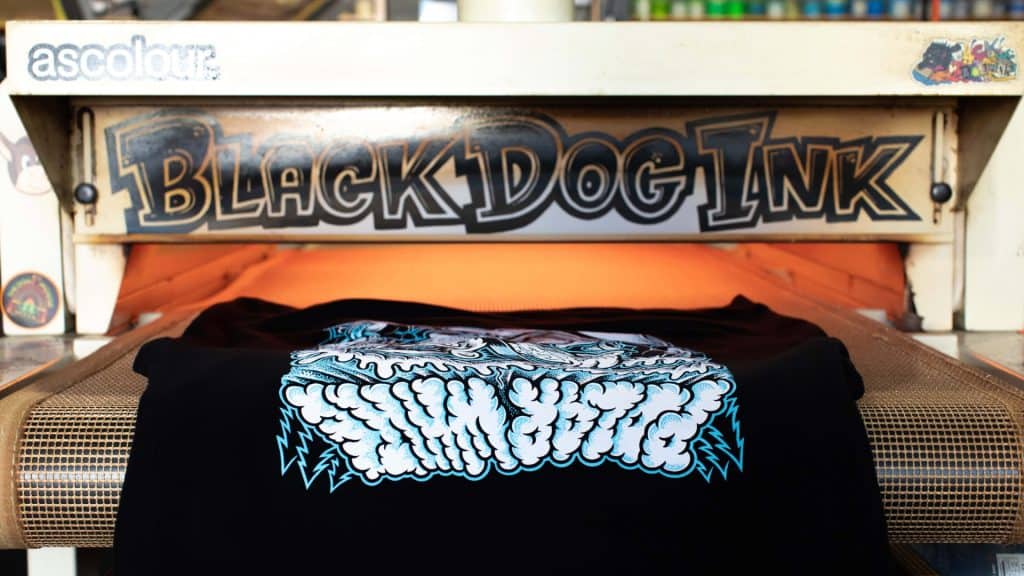
FlexiCure means the ink system is designed to cure across a flexible temperature range rather than being limited to one narrow cure target.
For the UPLC range, that cure window is 132°C to 160°C.
This gives printers more room to work across different garment types. A 100% cotton garment may comfortably run toward the upper end of the range. A polyester-rich hoodie, soft-shell workwear garment, or blended fleece may benefit from a more controlled lower-temperature approach.
The important point is that FlexiCure is not about guessing.
It is about having a wider operating window while still confirming cure properly.
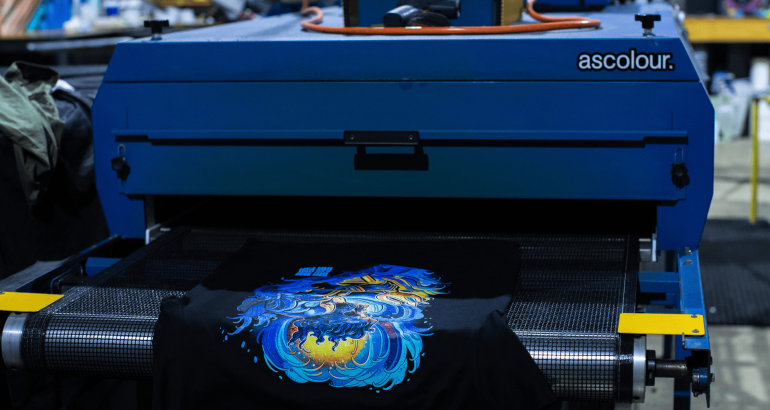
Curing is still time and temperature. A lower oven temperature usually requires a slower belt speed to achieve proper cure. The goal is not to cheat the process. The goal is to use an ink system that gives you more control inside the process.
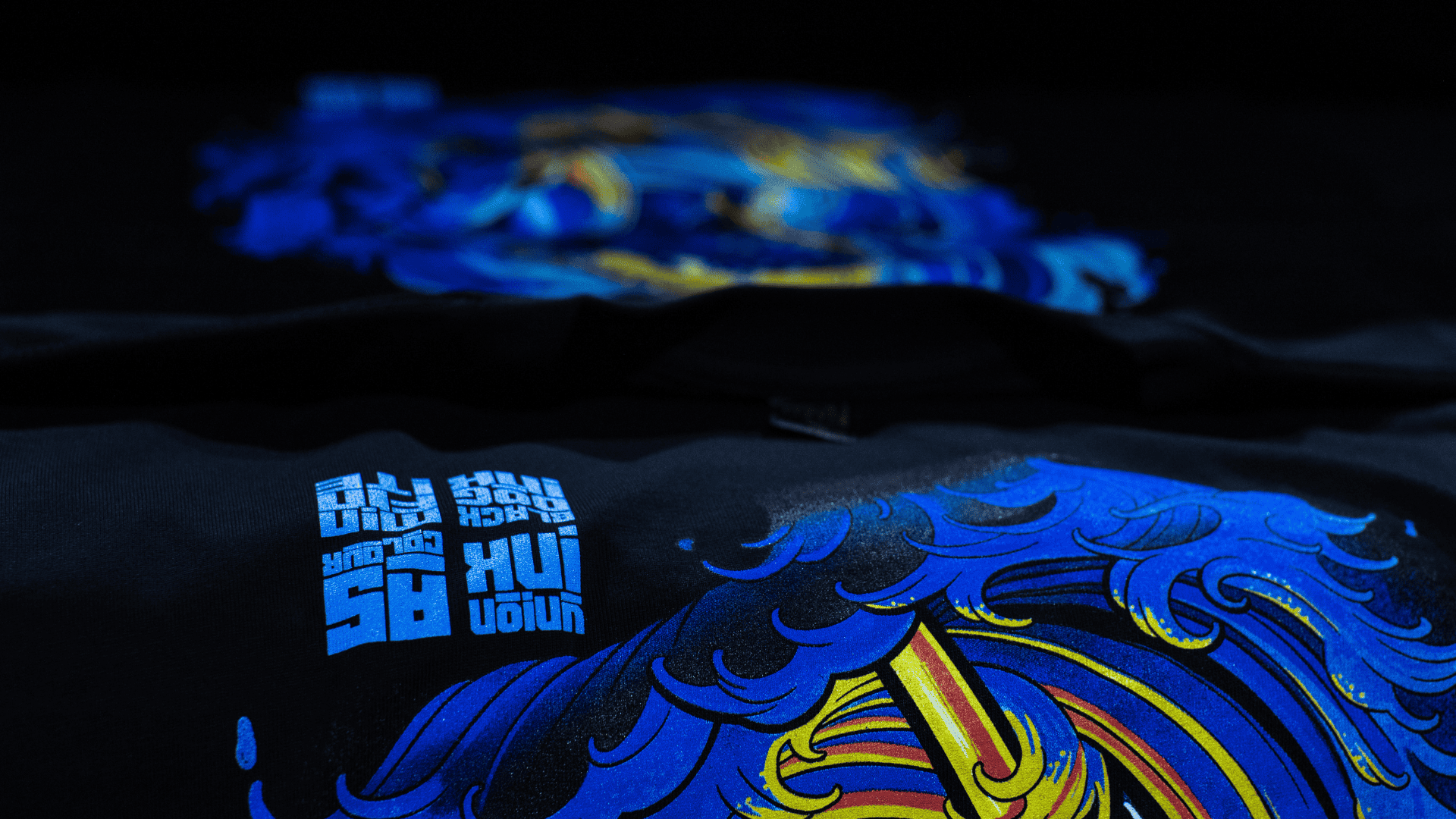
Benefit 1: One Cure Window Across A Broader UPLC System
One of the strongest benefits of the UPLC range is that key products are built around the same flexible cure window.
UPLC UNIMIX colours cure from 132°C to 160°C.
UPLC1073 G2 Sport LC LB Polar White cures from 132°C to 160°C.
UPLC1030 Cotton White cures from 132°C to 160°C.
UPLC1550 Barrier Grey cures from 132°C to 160°C.
That shared cure range matters because winter jobs often require more than one ink type. A hoodie job might need a low-bleed white. A polyester-rich garment might need Barrier Grey. A cotton garment might call for Cotton White. A colour job might need UNIMIX Pantone-simulated colours.
When the system is built around the same cure window, printers can make clearer decisions across the full UPLC print setup.
Each product still has its own role, mesh recommendations, print parameters, and garment suitability. But the shared FlexiCure range makes the system easier to understand and apply across different winter garments.
Benefit 2: UNIMIX Colours For Flexible-Cure Colour Matching
UPLC UNIMIX is a finished ink colour mixing system designed to create Pantone-simulated colours using 15 versatile components.
For winter production, that matters because screen printers are not only printing white ink on hoodies. They are often matching brand colours, repeat customer colours, team colours, workwear logos, and multi-colour designs across heavier and more varied garments.
UNIMIX is designed for accurate, vibrant colour matches, high opacity, and wet-on-wet printing. It also has a matte finish, which supports better wet-on-wet performance on press.
The FlexiCure range gives printers more control when those colours need to be printed as part of a broader UPLC setup. Colours may be printed over a compatible underbase, used in multi-colour work, or built into winter jobs where different garment compositions require more control through curing.
That is the value of UNIMIX inside the UPLC family.
It gives printers colour flexibility without stepping outside the broader FlexiCure system.
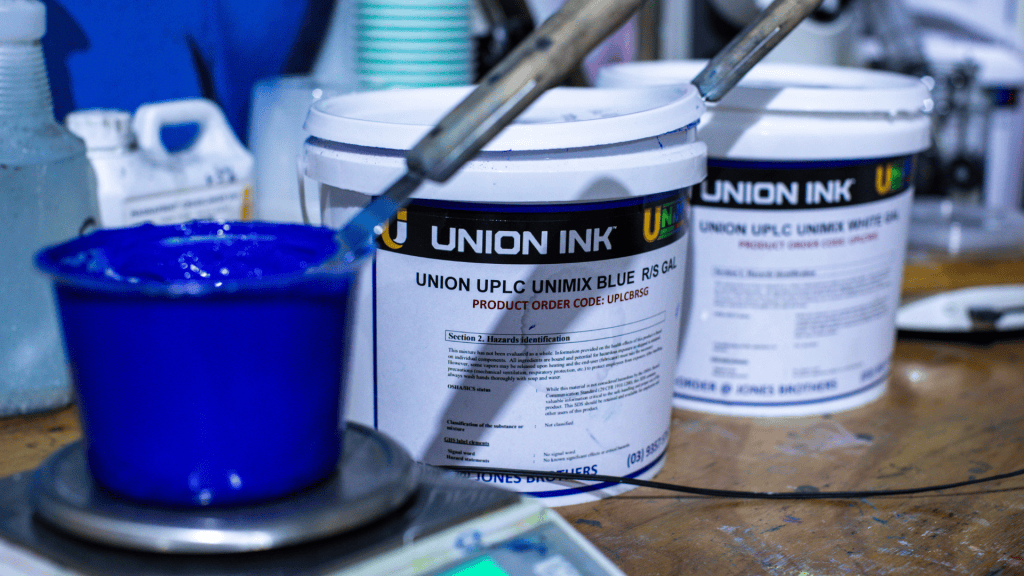
Benefit 3: Polar White For High-Opacity, Low-Bleed Winter Printing
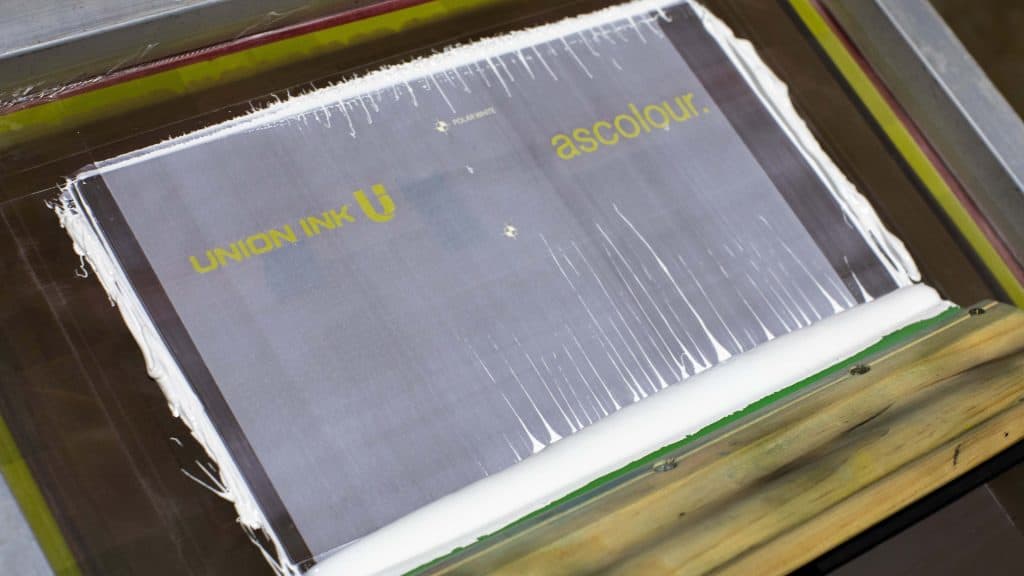
UPLC1073 G2 Sport LC LB Polar White is a high-opacity, creamy, low-bleed white designed to deliver strong printability across a wide range of garments.
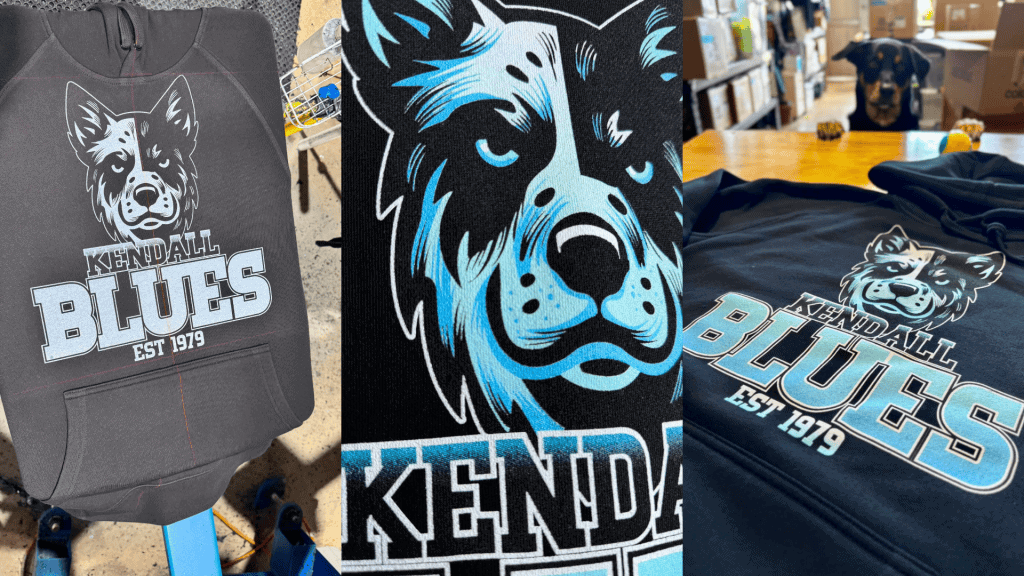
This becomes especially relevant during winter because hoodie season often means more cotton/poly blends, polyester blends, darker garments, and fabrics where white ink has to work harder.
Polar White offers high opacity, strong coverage, a brilliant white finish, and excellent low-bleed qualities. It is designed for maximum opacity on dark fabrics, including 100% cotton and cotton/poly blends, while also being suitable for poly blends, tri-blends, and 100% polyester when tested properly.
It can be used for stand-alone white graphics, vector artwork, and fine mesh halftone graphics. It is also designed for fast print strokes and easy clearance on fine mesh, which matters when printers need opacity without creating an unnecessarily heavy print.
The technical setup matters. Polar White is recommended through 86–305 t/in mesh, with high tension, a sharp square squeegee, hard flood, fast stroke, and low to medium squeegee pressure. Flash is around 105°C, with a typical 2–3 second flash depending on the unit, and the ink should be flashed just dry to the touch.
For 100% polyester, Polar White should be cured at 132°C and pre-tested for bleed resistance. For challenging fabrics, Barrier Grey may be required underneath.
That is where the UPLC system becomes useful.
Polar White handles many winter white ink needs, while Barrier Grey can be used when the garment risk is higher.
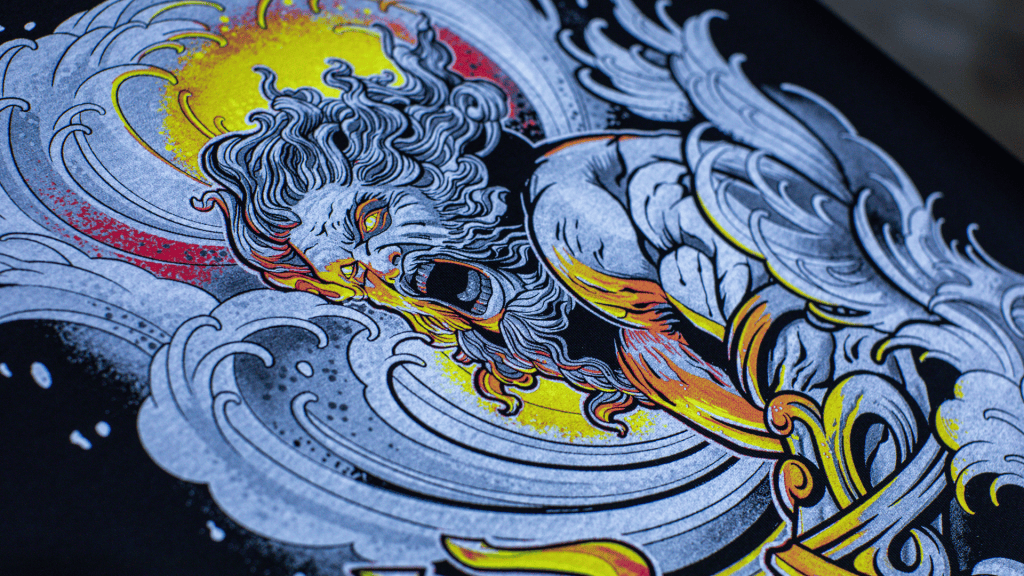
Benefit 4: Barrier Grey For High-Risk Polyester And Dye Migration Control
Some winter garments need more than a low-bleed white.
Polyester-rich hoodies, unstable dyes, dye-sublimated fabrics, camo patterns, digi-hex prints, and some workwear fabrics can create serious dye migration problems. In these cases, the correct move is often to block the dye before it reaches the top colours.
That is where UPLC1550 Barrier Grey becomes important.
Barrier Grey is designed for polyester garments produced with unstable dyes or garments prone to shrinkage when exposed to heat. It provides excellent bleed resistance across the same wide cure range of 132°C to 160°C and can be used as an underbase before printing UPLC white or colour inks over the top.
For best performance and opacity, Barrier Grey is recommended through 86–110 t/in mesh. The setup generally involves two medium-speed strokes, medium to low pressure, a sharp square squeegee, and a print-flash-print approach to build enough deposit on dark fabrics.
When printing over Barrier Grey, the typical process is to print the barrier, flash until dry to the touch, then print white or colours over the barrier underbase.
Flash control matters. Excessive flash temperatures should be avoided to protect the garment and reduce dye migration risk. A 3–5 second flash is generally adequate depending on the flash unit.
Barrier Grey also has soft hand and excellent stretch, which makes it more suitable for garments that need bleed resistance without completely sacrificing the feel of the print.
In winter, when polyester blends, workwear, and darker synthetic garments become more common, Barrier Grey gives screen printers a proper blocking option inside the UPLC FlexiCure system.
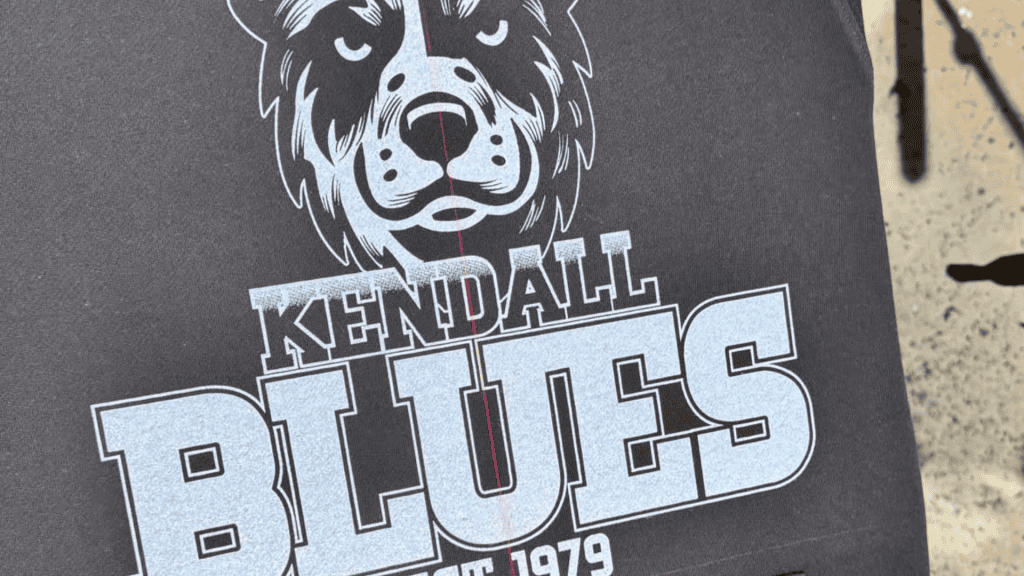
Benefit 5: Cotton White For Soft, High-Coverage Cotton Printing
Not every winter garment is polyester or blend-heavy.
There are still plenty of 100% cotton hoodies, crews, tees, and fleece garments moving through shops during colder months. For those jobs, UPLC1030 Cotton White has a different role.
Cotton White is a high-opacity, high-coverage white designed for 100% cotton. It is suitable as an underbase or stand-alone white and is a strong option for both vector and halftone prints.
It has excellent hand and fibre mat-down, with a smooth, ultra-soft print feel. The low-tack, creamy formula allows it to print through finer mesh counts without needing a viscosity modifier.
That matters because not every winter job needs a low-bleed white or a barrier system. Sometimes the job simply needs a strong, soft, high-coverage white for cotton garments.
Cotton White fits that space.
It is recommended through 86–305 t/in mesh with high tension, a sharp square squeegee profile, hard flood, fast stroke, and a flash temperature around 105°C. Like the other products in the system, it cures from 132°C to 160°C.
For poly blends that are prone to bleed, Cotton White should be pre-tested. For challenging fabrics, a bleed-blocking underbase such as UPLC1550 Barrier Grey may be required.
That gives printers a cleaner decision-making path.
Use Cotton White when the garment is cotton.
Use Polar White when high-opacity, low-bleed white is needed across broader garment types.
Use Barrier Grey when the garment risk is high.
Use UNIMIX when accurate, vibrant colour matching is required.
All inside the same flexible cure system.
FlexiCure Is Not A Shortcut
UPLC FlexiCure does not remove the need for good production habits.
It does not mean every garment is safe.
It does not mean dye migration can be ignored.
It does not mean cure testing becomes optional.
A flexible cure window gives you more control, but you still need to use that control properly.
You still need to understand garment composition. You still need to test unknown fabrics. You still need to confirm cure. You still need to be aware of polyester content, dye migration risk, garment construction, ink deposit, flash temperature, belt speed, and final wash durability.
The technical data sheets make this clear across the range: inks and fabrics should be tested before production, especially when working with poly blends, 100% polyester, unstable dyes, or challenging fabrics.
That is not a weakness of the system.
That is proper screen printing.
The benefit is that UPLC gives you more room to work within the process.
The Key Takeaway
Winter production is not just more hoodies.
It is more fleece, more cotton/poly blends, more polyester-rich garments, more workwear, more dark garments, more white ink, more underbases, and more mixed garment orders.
The UPLC FlexiCure range helps because it gives screen printers a connected ink system built around a broad cure window of 132°C to 160°C.
UNIMIX gives printers bright, Pantone-simulated colours inside the FlexiCure system.
Polar White gives high-opacity, low-bleed performance across a wide range of winter garments.
Barrier Grey gives bleed-blocking support for unstable polyester and high-risk fabrics.
Cotton White gives soft, high-coverage white performance for 100% cotton.
UPLC is not just about low cure.
It is about flexible cure.
And during winter, flexibility is exactly what screen printers need.
Want more like this?
We break down real production problems like this based on what we’re seeing in shops every day.
If you want more technical insights, setup tips, and practical fixes—join the email list and stay in the loop – Sign up here
FAQs
Is UPLC a low cure ink system?
UPLC is better described as a FlexiCure ink system. Key products in the range cure from 132°C to 160°C, giving screen printers a broader cure window rather than one narrow low cure target.
Why does the 132°C to 160°C cure range matter?
The broad cure range gives printers more flexibility across different garment types. During winter, shops often print more hoodies, fleece, cotton/poly blends, polyester-rich garments, workwear, and mixed orders. A wider cure window helps printers adapt the process to the garment and print stack.
When should I use Polar White, Cotton White, or Barrier Grey?
Use Cotton White for 100% cotton jobs where you want soft, high-coverage white ink. Use Polar White when you need high opacity and low-bleed performance across cotton, cotton/poly blends, poly blends, tri-blends, or tested polyester. Use Barrier Grey when printing high-risk polyester, unstable dyes, dye-sublimated fabrics, or garments that need stronger dye-blocking support.
What is UNIMIX used for?
UPLC UNIMIX is a finished ink colour mixing system designed to create Pantone-simulated colours using 15 versatile components. It is designed for accurate, vibrant colour matching, high opacity, matte finish, and wet-on-wet printing.
Do I still need to test cure and dye migration with UPLC?
Yes. FlexiCure gives you more control, but it does not replace testing. Screen printers should still confirm cure, wash durability, garment compatibility, and dye migration risk before production, especially on polyester, poly blends, and challenging fabrics.