Your Flash Unit Didn’t Get Weaker. Your Hoodies Got Wetter.
Every winter, screen printers start noticing the same thing.
Jobs that flashed perfectly a few months ago suddenly feel different.
The flash seems slower.
The ink takes longer to gel.
Production feels less predictable.
And naturally, most screen printers start looking at the equipment.
Maybe the flash unit is losing output.
Maybe the bulbs are getting old.
Maybe something has changed with the press.
But in many cases, nothing has changed with the equipment at all.
The garment has changed.
👉 Winter changes your garments before you even start printing.
That’s the part most screen printers never consider.
The Hidden Moisture Problem
Fabric is constantly interacting with its environment.
It absorbs moisture.
It releases moisture.
It adjusts itself to the surrounding conditions.
During Melbourne’s colder months:
- humidity increases
- temperatures drop
- ventilation decreases
- garments spend longer in storage
As a result, hoodies and heavyweight garments often carry significantly more moisture than they do during summer.
The garment may feel perfectly dry.
But from a thermal perspective, it behaves very differently.s moisture content may be significantly higher than it was during summer.
Why Moisture Matters To Screen Printers
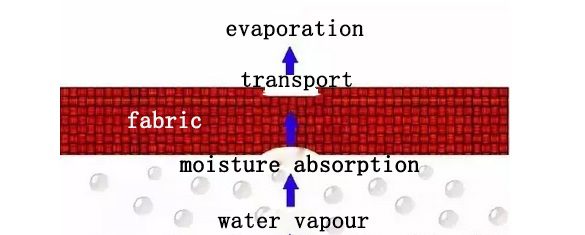
Water requires energy to evaporate.
This sounds simple.
But it’s one of the most overlooked concepts in production screen printing.
Before your plastisol ink can properly gel, the moisture inside the garment needs to absorb heat and evaporate.
That means your flash unit is no longer doing one job.
It’s doing two.
- Removing moisture
- Heating ink
The more moisture present, the more energy is diverted away from the ink film.
And that’s where the problems begin.
Understanding Heat Transfer
Most screen printers think of a flash unit as a device that heats ink.
Technically, it doesn’t.
A flash unit delivers infrared energy.
That energy is absorbed by:
the ink
the garment
the moisture within the garment
All three are competing for the same heat source.
In dry summer conditions, most of that energy reaches the ink film quickly.
In winter, some of that energy is consumed by moisture removal first.
The result is slower heating of the ink layer.
Why Hoodies Behave Differently To T-Shirts
A hoodie is not simply a thicker t-shirt.
It behaves differently because it contains:
- more fabric mass
- more insulating fibres
- more fleece
- greater moisture retention
Every additional layer of material changes the way heat moves through the garment.
Heavyweight fleece garments can act like a thermal sponge.
They absorb energy before it reaches the printed surface.
That’s one reason why a hoodie job often feels completely different to a lightweight cotton t-shirt despite using identical printing parameters.
Why Printers Think Their Flash Unit Is Failing
This is where many shops get caught.
The symptoms look like equipment problems.
You might notice:
- flash times increasing
- inconsistent gel points
- varying print feel
- slower production
Naturally, the flash unit becomes the prime suspect.
But often the flash output hasn’t changed at all.
The garment is simply demanding more energy than it did previously.
The machine hasn’t become weaker.
The workload has increased..
Evaporation: The Hidden Energy Consumer
Evaporation requires a surprising amount of energy.
When moisture changes from liquid to vapour, it absorbs heat from its surroundings.
In practical screen printing terms:
Moisture is stealing heat that would otherwise be used to flash your ink.
The more moisture present:
the longer flashing takes
the more inconsistent flashing becomes
the more production variables appear
This becomes especially noticeable on large hoodie runs where garment conditions vary throughout the day.
The Production Impact
Longer flash times don’t just slow production.
They can create secondary problems.
Including:
- reduced throughput
- inconsistent underbase gel
- increased dwell times
- curing variability later in the dryer
This is why winter production can sometimes feel unpredictable even when every setting appears unchanged.
The Key Takeaway
Most screen printers assume garments are a constant.
They’re not.
The same hoodie can behave differently depending on:
- humidity
- storage conditions
- temperature
- moisture content
When winter arrives, your flash unit isn’t necessarily getting weaker.
Your garments are often demanding more energy.
Understanding this changes how you troubleshoot production issues.
And it explains why hoodie season can feel completely different to the rest of the year.
Because sometimes the problem isn’t the flash unit.
It’s the moisture hiding inside the garment.
Want more like this?
We break down real production problems like this based on what we’re seeing in shops every day.
If you want more technical insights, setup tips, and practical fixes—join the email list and stay in the loop – Sign up here
FAQs
Why do flash times increase during winter?
Higher garment moisture content means additional energy is required to evaporate water before the ink can properly heat and gel.
Do hoodies absorb moisture from the air?
Yes. Cotton, fleece, and cotton/poly blends naturally absorb moisture from their environment.
Why do hoodies flash differently to t-shirts?
Hoodies contain more fabric mass, insulation, and moisture-retaining fibres, making them behave differently under heat.
Can humidity affect screen printing?
Absolutely. Humidity influences garment moisture content, which can impact flashing, curing, and overall production consistency.
Should I increase flash temperature during winter?
Not necessarily. First investigate garment moisture, storage conditions, and humidity levels before changing production settings.