As work starts to ramp up—especially heading into heavier garment runs—most screen printers notice the same thing.
Chemicals start disappearing faster than expected.
Screenwash gets chewed through.
Dip tanks lose strength quicker.
Haze remover gets used more often than it should.
The natural reaction is:
👉 “we need more product”
But in most cases, that’s not the issue.
What’s actually happening is this:
👉 the chemistry is doing more work than it was designed to do
And once you understand that, you stop using more—and start getting more out of what you already have.
What screen printing chemicals are actually doing
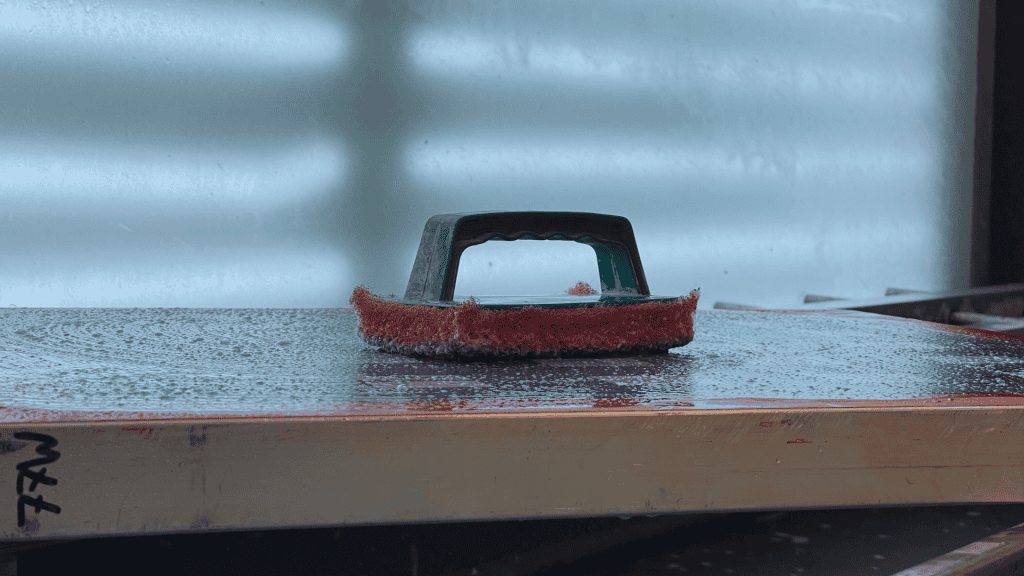
Screen printing chemicals aren’t just there to “clean.”
They’re designed to:
- break down ink at a chemical level
- dissolve stencil systems
- lift contaminants from the mesh
But they all rely on one thing:
👉 efficient contact and correct process
If that breaks down, everything becomes less effective.
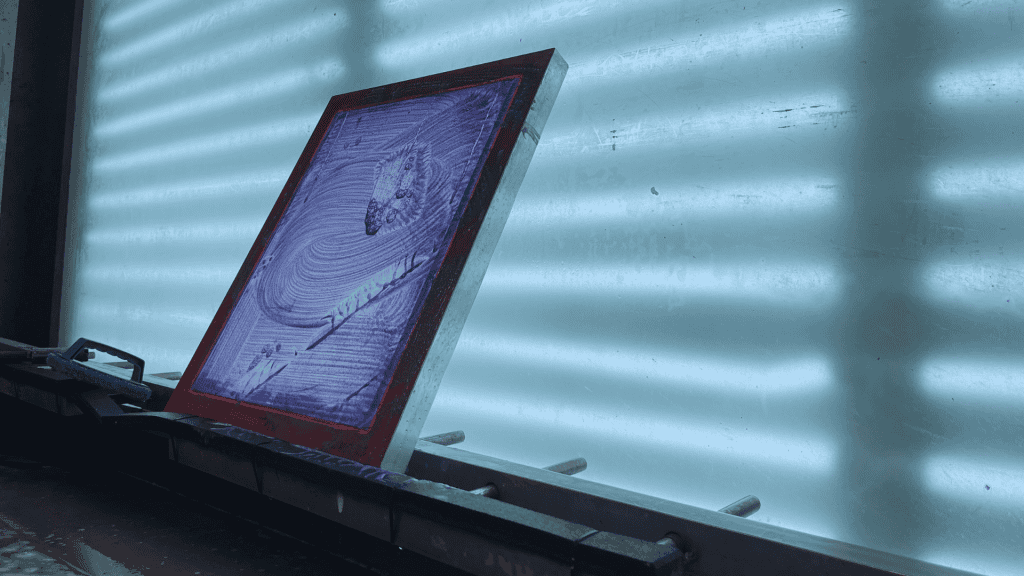
Dip tanks: where most waste starts
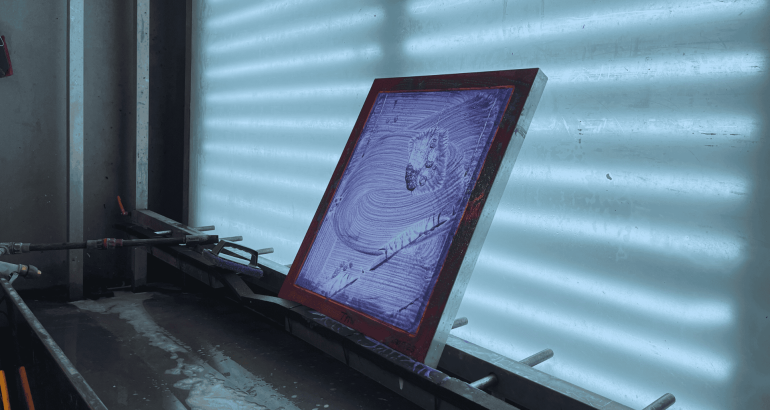
Dip tanks are one of the biggest hidden costs in a reclaim setup.
A properly mixed solution—like AGM Golden Stripper at a 1:5 ratio—is designed to efficiently break down stencil and ink across multiple screens.
But that only works if the solution isn’t overloaded.
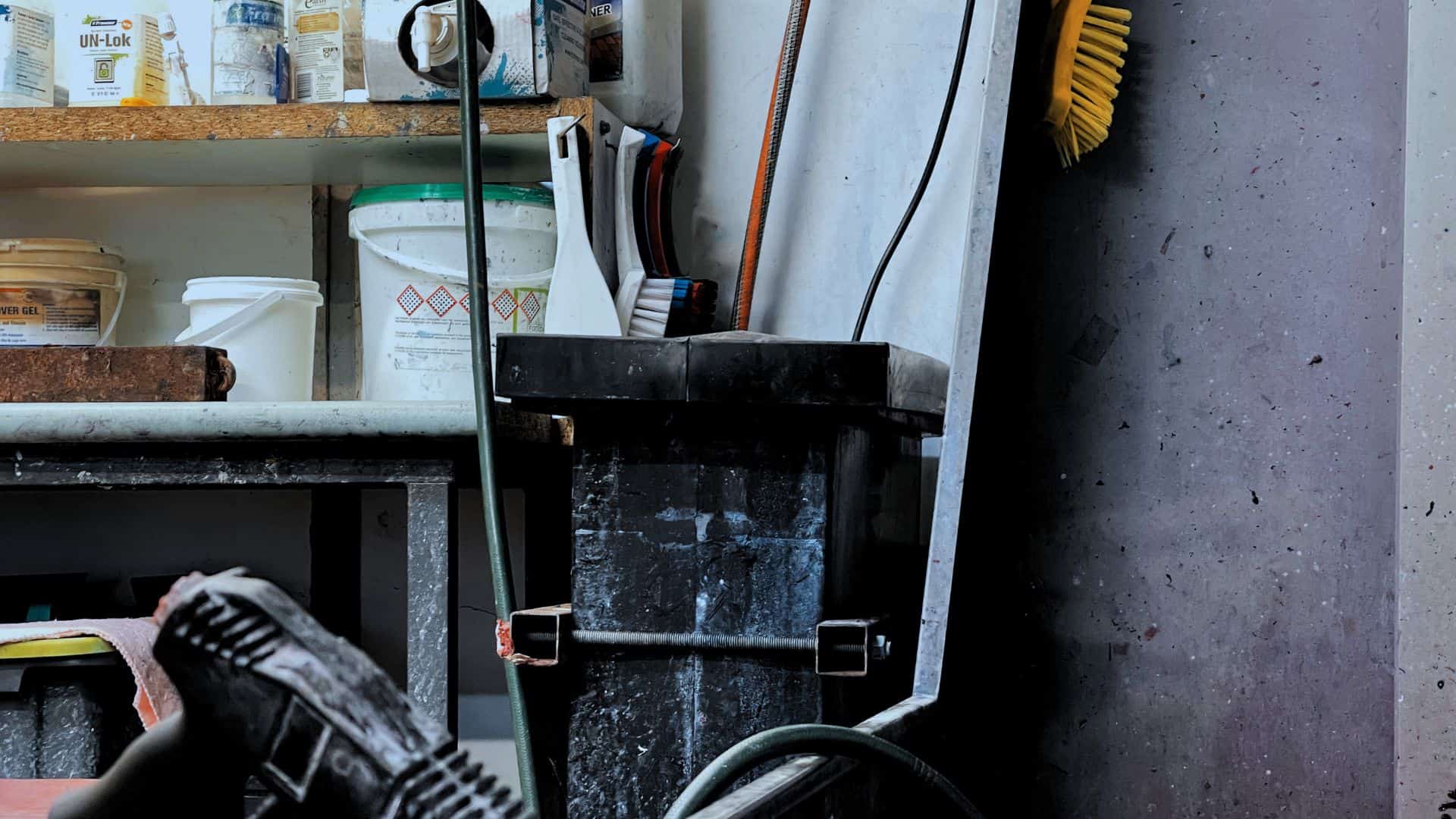
What’s actually happening in the tank
ThWhen a screen goes into a dip tank:
- the solution starts breaking down emulsion
- it begins loosening remaining ink
- it works across the entire mesh
But if that screen is still covered in ink:
👉 the solution is forced to break down bulk ink first
Instead of:
- focusing on stencil removal
it’s:
- burning energy on unnecessary contamination
The fix most printers skip
Before placing a screen into the dip tank:
👉 scrape as much ink off as possible
This:
- reduces chemical load
- keeps the solution stronger for longer
- maintains faster reclaim times
If you skip this:
- the solution weakens faster
- soak times increase
- chemical usage goes up
Same tank. Worse performance.
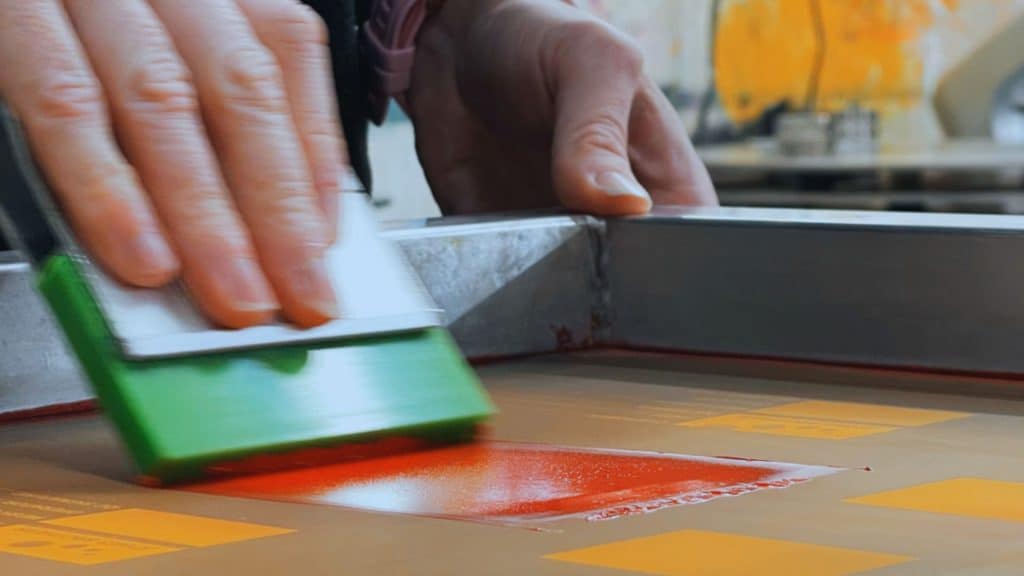
Screenwash: it’s not about how much you pour
Screenwash waste almost always comes down to process.
Most printers:
- pour it on
- wipe quickly
- repeat
Which leads to:
👉 more product being used to compensate for poor process
Matching the right screenwash to the ink
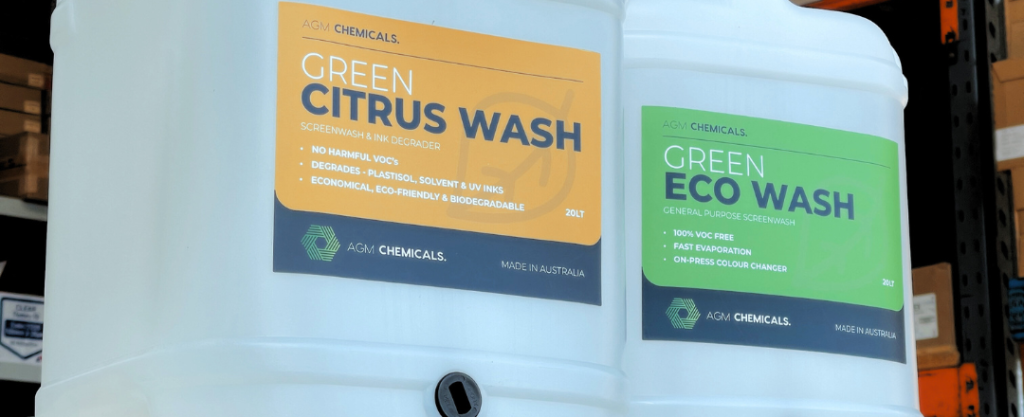
Different inks require different chemistry.
Green Citrus Wash
Best for:
- plastisol inks
It’s built to:
- cut through heavier ink films
- break down plastisol efficiently
- work best with agitation and dwell time
Green Eco Wash
Best for:
- solvent inks
- UV inks
It’s formulated to:
- dissolve more aggressive ink systems
- handle a wider range of contaminants
- support fast cleaning in production environments
Same process, different chemistry
Even though the chemistry changes, the process shouldn’t.
The 3-step rag method (this is where efficiency comes from)
Step 1 — Break down the ink
Apply screenwash and agitate with a rag.
👉 this activates the chemistry and starts degrading the ink
Step 2 — Remove the bulk
Flip the rag.
Apply a small amount again and remove most of the ink.
👉 now you’re lifting, not breaking down
Step 3 — Clean the remainder
Fold the rag again (or use a fresh section) and remove remaining residue.
👉 final clean, minimal product
Why this works
You’re separating:
- chemical breakdown
- physical removal
- final cleaning
Instead of trying to do everything at once.
Which results in:
- less product used
- more effective cleaning
- better consistency
Haze remover: where shortcuts cost the most
Haze remover is often overused—not because it’s weak, but because earlier steps were rushed.
Haze isn’t just leftover ink. It’s:
- embedded pigment
- staining inside the mesh
- contamination from incomplete cleaning
Why skipping steps increases chemical use
If you:
- don’t fully break down ink
- don’t allow screenwash to work
- rush reclaim
👉 haze remover has to do more than it should
Which leads to:
- higher usage
- longer dwell times
- more aggressive cleaning
Proper process reduces haze remover use
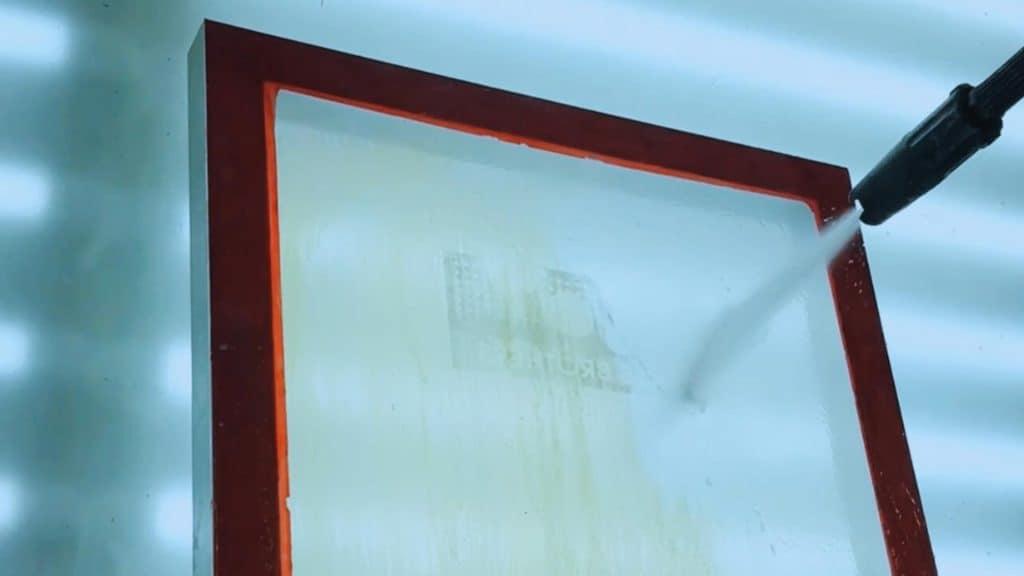
Using the correct cleaning sequence—like:
- agitation
- dwell time
- thorough rinsing
(as seen with systems like Green Citrus Wash) ensures the screen is properly prepared before haze removal
The bigger picture: chemistry + process
All of this comes back to one idea:
👉 chemicals are designed to work with a process—not replace it
If the process is:
- rushed
- inconsistent
- overloaded
You’ll use:
- more chemical
- more time
- more effort
Practical takeaway
To get more out of your chemicals:
- scrape ink before the dip tank
- match screenwash to the ink type
- use a structured cleaning process
- let chemistry do the work before removing it
- don’t rely on haze remover to fix earlier mistakes
Final thought
Using less chemical doesn’t come from using less product.
It comes from:
👉 using it properly
When the process is dialled in:
- your chemicals last longer
- your screens clean faster
- your results become more consistent
And over time, that compounds.
Want more like this?
We break down real production problems like this based on what we’re seeing in shops every day.
If you want more technical insights, setup tips, and practical fixes—join the email list and stay in the loop – Sign up here
FAQs
Why do my screen printing chemicals run out so quickly?
In most cases, it’s not the product—it’s the process.
If chemicals are being used to:
- break down heavy ink loads
- compensate for rushed cleaning
- or fix earlier steps
👉 they get consumed much faster than intended.
A proper workflow reduces how hard the chemistry has to work.
Should I be removing ink before using a dip tank?
Yes—and this is one of the biggest factors in extending dip tank life.
If screens go into the tank with excess ink still on them, the solution has to break that down first before it can work on emulsion.
👉 scraping ink first keeps the solution stronger for longer and improves reclaim efficiency.
What’s the difference between Green Citrus Wash and Green Eco Wash?
They’re designed for different ink systems:
Green Citrus Wash → best for plastisol inks
Green Eco Wash → best for solvent and UV inks
Both work using the same cleaning process, but matching the chemistry to the ink improves performance and reduces product usage.
Why does the 3-step rag method use less screenwash?
Because it separates the job into stages:
- breaking down the ink
- removing the bulk
- cleaning the remainder
Instead of trying to do everything at once, each step uses the chemical more efficiently.
👉 this reduces waste and improves cleaning consistency.
Why do I end up using so much haze remover?
Usually because earlier steps weren’t completed properly.
If ink isn’t fully broken down and removed before reclaim, residue gets embedded into the mesh.
👉 haze remover then has to work harder, which increases usage.
When the process is done correctly, haze remover becomes a finishing step—not a recovery tool.