To really understand dye migration, you have to stop thinking about the garment as just “polyester” and start thinking about what’s inside the fibre.
Because you’re not printing onto polyester.
👉 You’re printing onto polyester that’s been dyed using disperse dye systems
And that dye system is what determines whether a garment behaves… or causes problems.
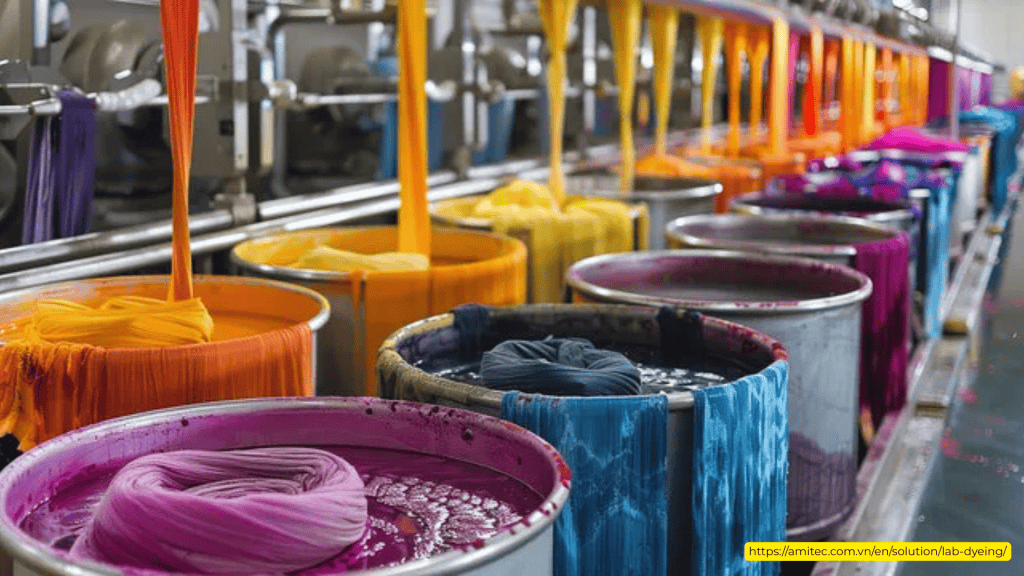
The type of dyes used in polyester
Unlike cotton, which uses water-soluble dye systems, polyester is dyed using disperse dyes.
These dyes are:
- non-ionic (no electrical charge)
- not water-soluble
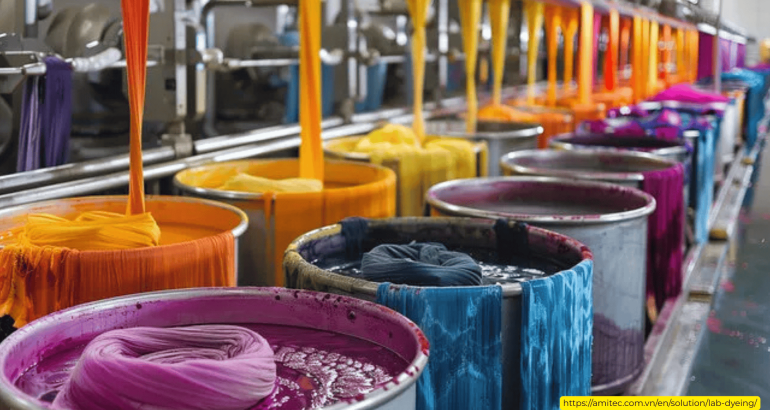
- applied using heat and pressure during manufacturing
To get dye into polyester, the fibre has to be opened up under heat, allowing the dye to penetrate into the polymer structure.
Once the fibre cools, the dye becomes trapped inside.
👉 That’s the idea, at least.
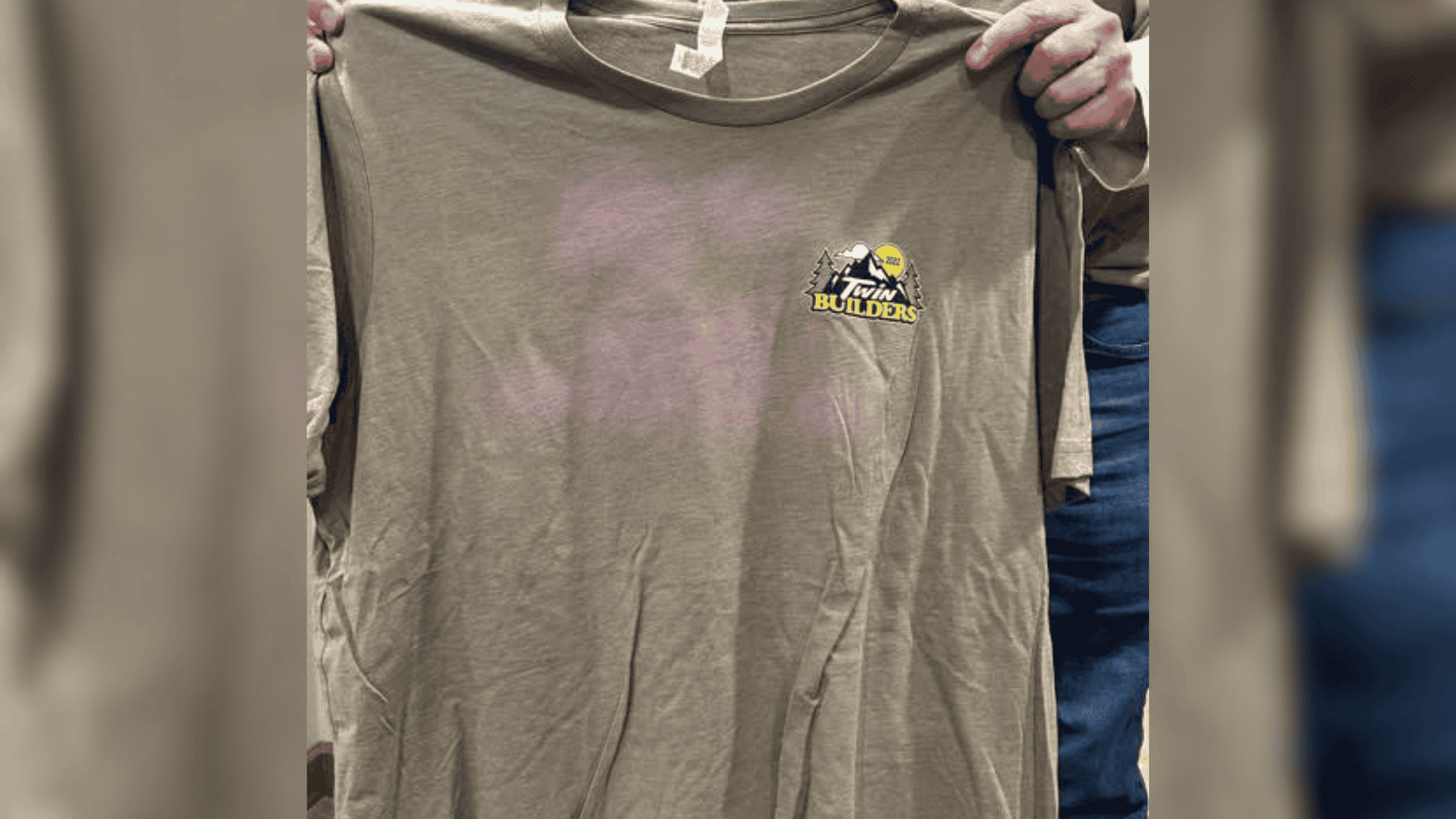
Because when you reintroduce heat later during curing…
you’re partially reversing that process.
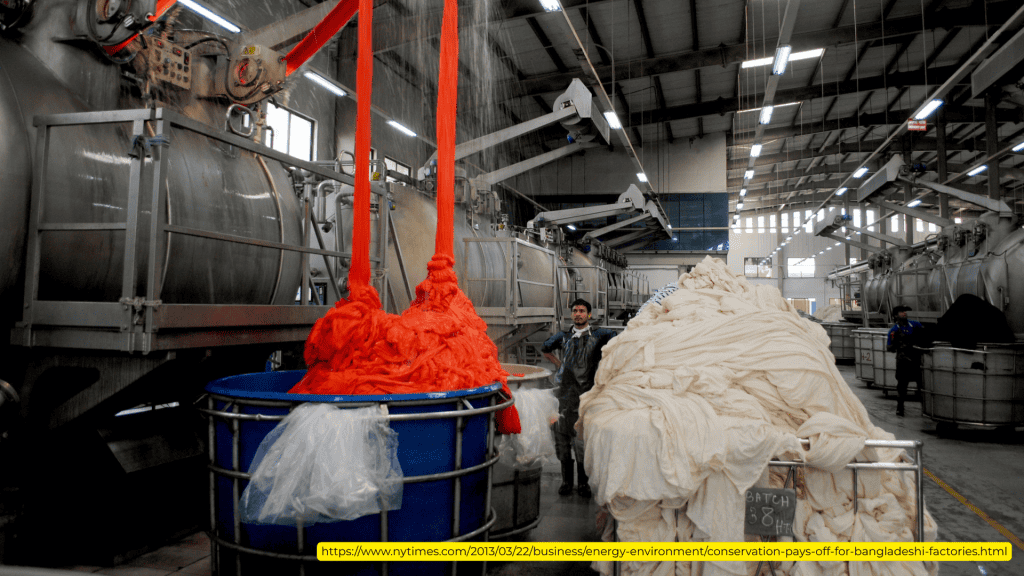
What happens during garment dyeing
During manufacturing, polyester garments are dyed using a process that typically involves:
- temperatures around 120–135°C
- pressure (for full dye penetration)
- controlled cooling to “lock” the dye in place
At these temperatures, the polyester polymer chains relax slightly, allowing dye molecules to diffuse into the fibre.
As the fabric cools:
- the structure tightens
- the dye becomes embedded
👉 That’s what makes polyester appear “colourfast” under normal conditions
But here’s the catch
When you print and cure a garment, you’re doing something very similar:
- reintroducing heat
- reactivating the fibre
- giving dye molecules energy again
👉 and once those dye molecules gain energy, they can move
This is where dye migration begins.
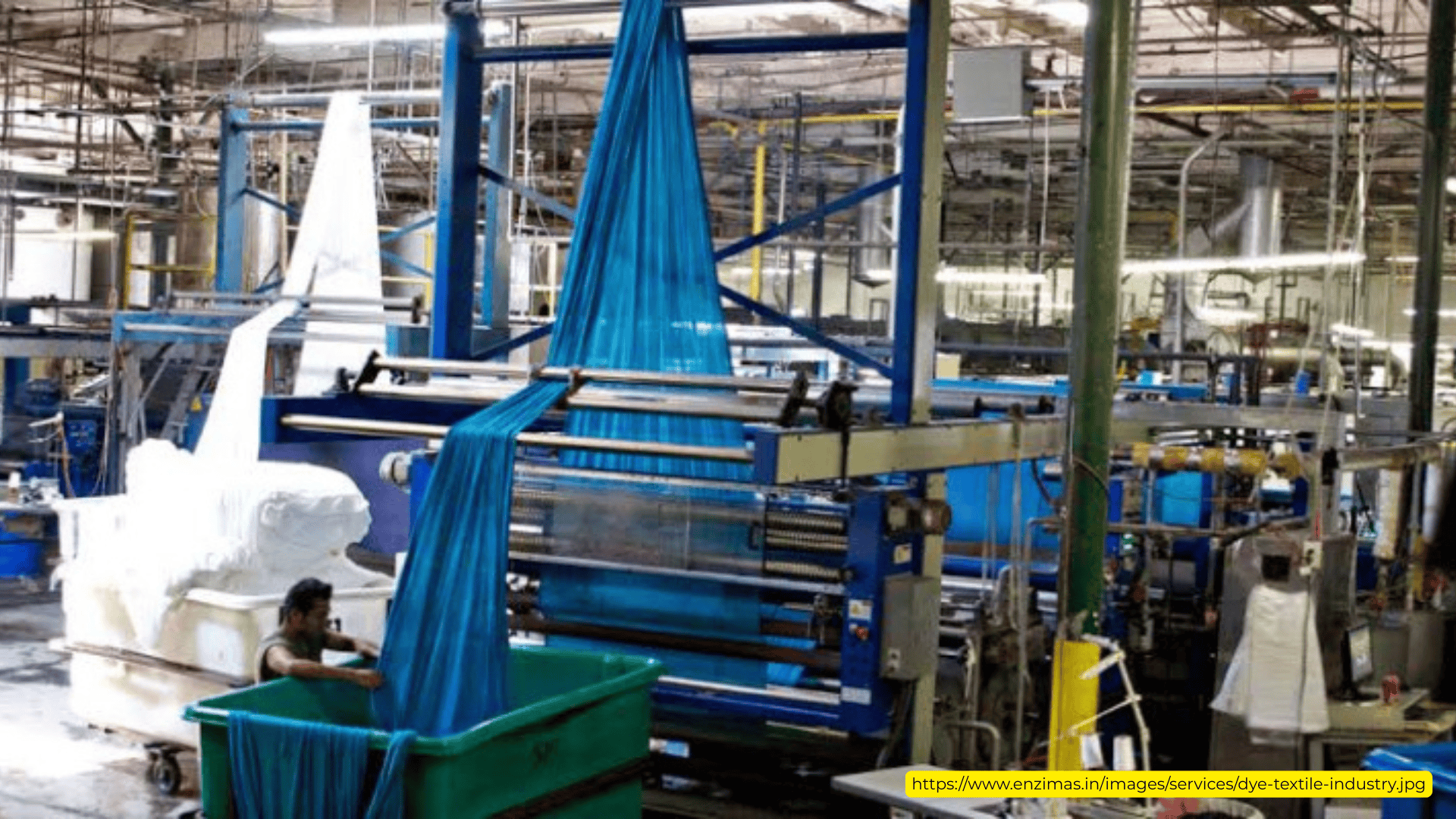
High energy vs low energy disperse dyes
This is where things get more interesting—and where most printers never get visibility.
Not all disperse dyes behave the same.
They’re broadly classified into:
Low energy dyes
and
High energy dyes
Low energy dyes (the troublemakers)
Low energy dyes have:
- smaller molecular size
- lower sublimation temperature
- higher mobility under heat
They’re used because:
- they’re easier to apply
- require lower dyeing temperatures
- are more cost-effective in production
But from a printing perspective:
👉 they are far more likely to migrate
When exposed to curing temperatures:
- they activate quickly
- they diffuse out of the fibre more easily
- they move into the ink layer faster
High energy dyes (more stable, but not immune)
High energy dyes are:
- larger in molecular structure
- require higher temperatures to apply
- more stable once embedded in the fibre
They’re typically used when:
- higher wash fastness is required
- better long-term colour stability is needed
From a printing standpoint:
👉 they are less prone to migration—but not immune
If enough heat and time are applied:
even high energy dyes can become mobile
Why this matters in real production
This is why dye migration feels inconsistent.
You can run:
- the same mesh
- the same ink
- the same curing settings
…and get completely different results.
Because what you’re really dealing with is:
👉 the dye system chosen by the garment manufacturer
And you don’t get to see that.
Why dark garments are higher risk
Colours like:
- black
- red
- maroon
often rely heavily on low energy dye systems or blends of dye types to achieve deep saturation.
That means:
- more dye content
- more mobile dye
- higher migration risk
👉 especially under white ink
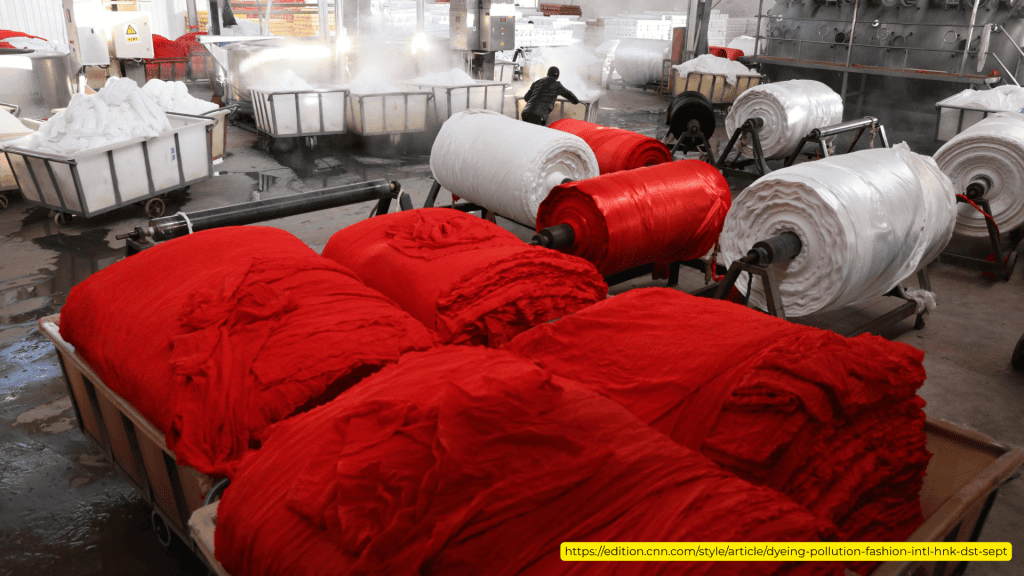
How this interacts with screen printing ink
Once dye becomes mobile, it behaves like a diffusion system:
moving from high concentration (fabric)
toward lower resistance (ink film)
If the ink layer is:
porous
loosely structured
or thin
👉 dye moves through it easily
This is where low bleed ink design becomes critical.
As covered in:
What Does “Low Bleed” Mean in Screen Printing?
low bleed systems are engineered to:
- reduce permeability
- create a tighter cured film
- slow down dye diffusion
- The key takeaway
Polyester isn’t unpredictable.
It’s reacting exactly as its chemistry allows.
- low energy dyes = high mobility
- high energy dyes = more stability
- heat = activation
- time = opportunity for movement
Once you understand that, dye migration stops feeling random.
And your decisions around:
- ink choice
- curing
- garment selection
start becoming a lot more deliberate.
Want more like this?
We break down real production problems like this based on what we’re seeing in shops every day.
If you want more technical insights, setup tips, and practical fixes—join the email list and stay in the loop – Sign up here
FAQs
Why does dye move into the ink instead of staying in the fabric?
Once heat is introduced during curing, the dye inside polyester fibres becomes mobile. At that point, it behaves like a diffusion system—moving from an area of higher concentration (the fabric) toward an area of lower resistance.
If the ink layer on top is more permeable than the fibre structure beneath it, the dye will move into the ink.
👉 It’s not being “pulled” into the print—it’s moving along the easiest path available.
Why do some prints change colour hours after curing?
Dye migration doesn’t always stop when the garment leaves the dryer.
Even after curing:
- the garment is still hot
- dye molecules can still be mobile
- diffusion can continue as the fabric cools
That’s why a print can look fine immediately, then shift later.
👉 Time is just as important as temperature in this process.
Does a thicker ink layer stop dye migration?
A heavier ink deposit can slow down how quickly dye becomes visible, because it creates more distance between the fabric and the surface.
But it doesn’t stop migration completely.
If the ink film is still permeable, dye can continue to move through it over time.
👉 Thickness helps—but film structure matters more.
Why do low bleed inks work better on polyester?
Low bleed inks are designed to form a tighter, less permeable film when cured.
That means:
- fewer pathways for dye to move through
- slower diffusion
- less visible colour shift
They don’t eliminate migration, but they reduce how easily dye can pass through the ink layer.
👉 It’s about resistance, not prevention.
Can you completely stop dye migration?
Not always.
You can reduce it significantly by:
- using low bleed inks
- controlling curing conditions
- adjusting ink deposit
- introducing barrier systems when needed
But because the dye is already inside the fibre, you’re always working to control its behaviour—not remove it entirely.
What’s the most reliable way to deal with high-risk garments?
If you’re consistently printing on garments prone to migration—especially dark polyester or fleece—the most reliable approach is:
- low bleed ink + controlled curing
- or a barrier base system when needed
👉 Low bleed resists movement
👉 Barrier base blocks it