Best Squeegee Hardness for Screen Printing (65 vs 75 vs 85 shore Explained)
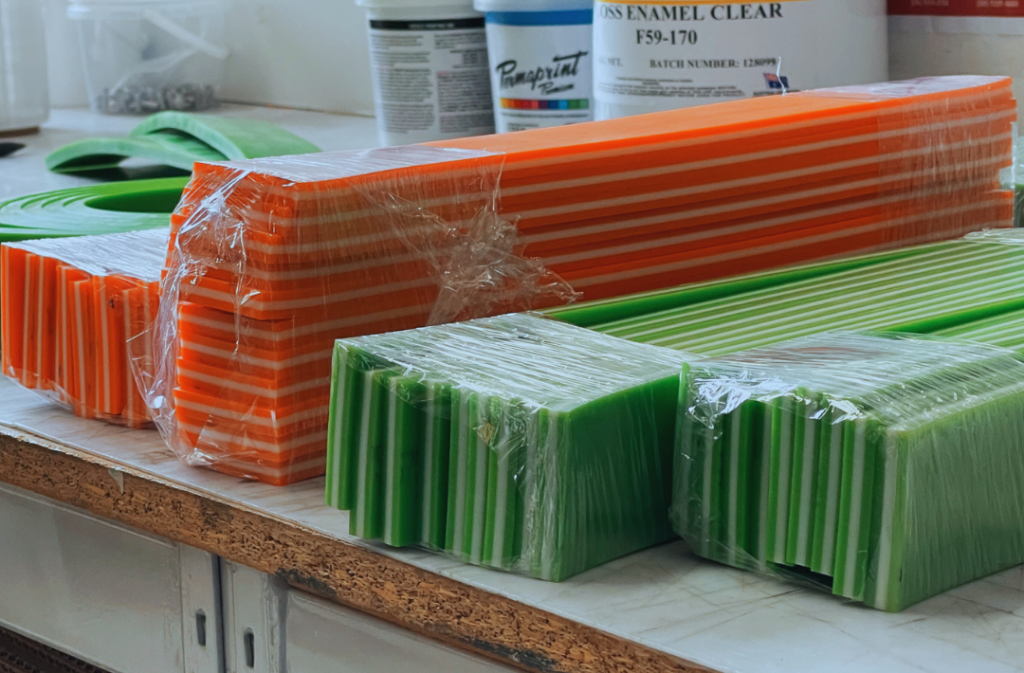
The Textile Squeegee Rubber Guide How to choose the right blade for opacity, detail & consistency There’s a point most printers hit where things stop making sense. Your exposure is dialled.Your ink is right.Your mesh count makes sense. But your prints still aren’t behaving the way they should. Whites aren’t covering the way you expect. […]
What Is a Barrier Base in Screen Printing? Why UPLC Grey Matters for Hoodie Printing

What is a Barrier Base? (And Why UPLC Grey Matters for Hoodie Printing) If you’ve ever had a clean white print turn pink after curing—or worse, after packing—you’ve experienced dye migration. This isn’t an ink failure.It’s a fabric chemistry problem. Polyester and blended garments contain dyes that become mobile when exposed to heat. During curing, […]
Printing Hoodies: Why Your White Ink Is Probably the Problem
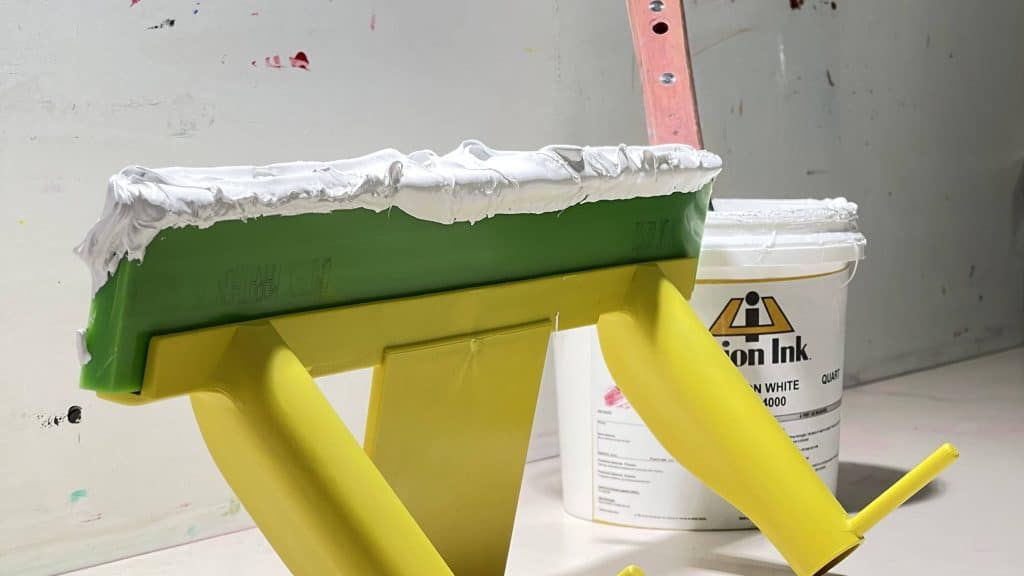
Struggling with dye migration, dull whites, or inconsistent hoodie prints? If you’re printing on fleece, poly blends, or performance garments, your white ink—and more importantly, your cure window—is the difference between clean production and costly reprints. In this guide, we break down three of the most trusted white plastisol inks for hoodies, based strictly on […]
Screen Printing Mesh Explained: Thread Diameter, Surface & Ink Flow (Hi-Dro Guide)

For experienced printers, mesh selection is no longer about mesh count alone. It’s about how geometry, surface energy, and thread construction interact with modern inks, emulsions, and production demands. SAATI Hi-Dro® mesh was developed specifically to address these variables in garment printing, with a focus on water-based inks, abrasive systems, and long production runs. This […]
How to Print Polar White: A Screen Printing Guide to Cleaner, Brighter White Prints

The essential guide for Australian screenprinters chasing clean, bright, consistent white prints. WHY POLAR WHITE EXPOSES EVERY FLAW IN YOUR TECHNIQUE If there’s one ink that will humble even the most seasoned screenprinter, it’s Polar White. Every shop in Melbourne, across Australia, and honestly across the planet has fought with it: Polar White doesn’t forgive […]
Still Mixing Inks by Hand? Why Screen Printing Ink Mixing Automation Matters

If you’re still manually mixing your inks—plastisol or water-based—you’re not alone. But you are missing out on one of the easiest wins in your printshop. An automatic ink mixer isn’t just a nice-to-have. It’s a game changer for print quality, workflow, and your sanity. Let’s break down why this upgrade deserves a spot in your […]
Humidity Ruins Stencils: How to Stop Moisture Affecting Screen Printing Screens
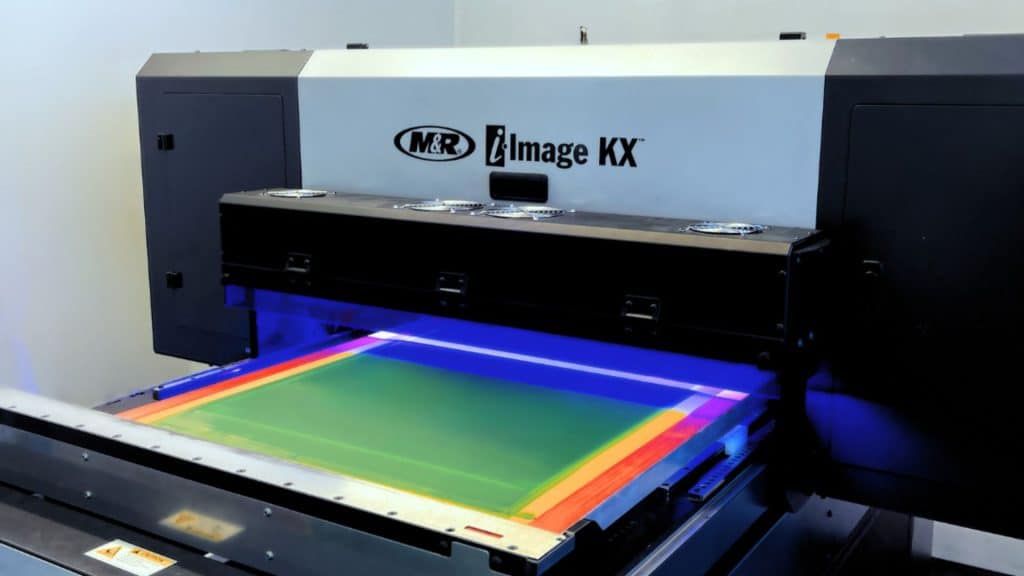
If your coated screens aren’t performing like they used to — or if you’re battling issues like sticky emulsion, weak stencils, or uneven exposure — the culprit might not be your technique or your emulsion. It might be your air. Humidity is one of the most overlooked variables in a screenprinter’s darkroom, and it can […]
Why Under-Exposed Screens Are Hard to Reclaim in Screen Printing

In the world of screen printing, a beautifully exposed screen can make the difference between a crisp, long-lasting print and a frustrating reclaiming session filled with ghost images and wasted time. But what happens when your emulsion is under-exposed? Let’s break it down, without the confusing chemistry jargon—just real talk about polymer chains, sticky stencils, […]
What is Diazo Emulsion in Screen Printing? (Complete Beginner Guide)

Understanding Diazo in Screen Printing Emulsions: A Complete GuideIf you’ve been screen printing for a while, you’ve probably heard the term “diazo” thrown around when talking about emulsions. But what exactly is it? And why is it so important in the stencil-making process? Whether you’re a beginner or a seasoned printer, understanding diazo will help […]
White vs Yellow Mesh Screen Printing: Which One Should You Use?
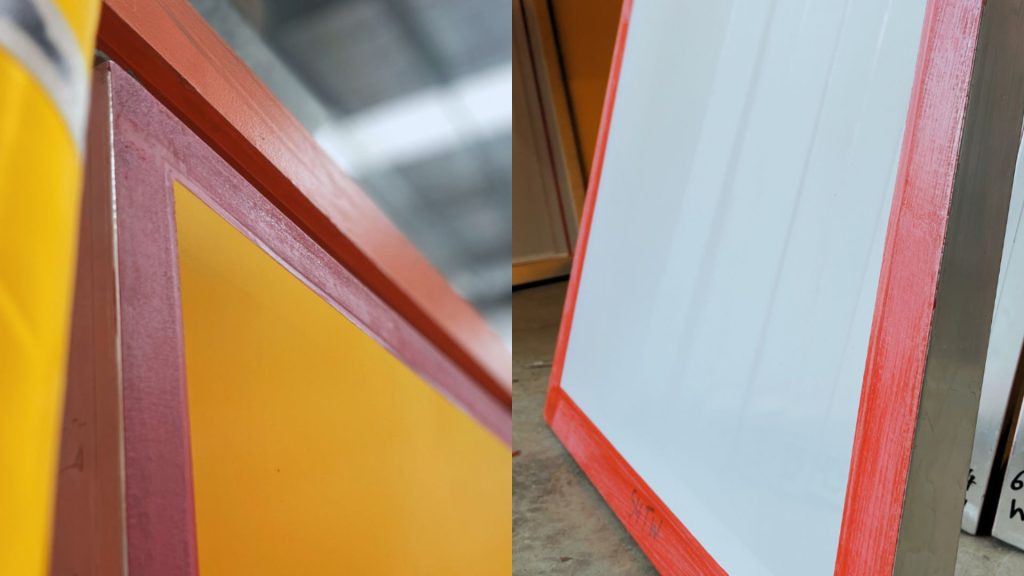
What’s the Difference and Which Should You Use? In screen printing, every element can affect the final result, from the type of ink you use to the tension of your screen. One often overlooked aspect is the colour of the mesh—particularly the choice between white and yellow (or dyed) mesh. While both serve a vital […]