Struggling with dye migration, dull whites, or inconsistent hoodie prints?
If you’re printing on fleece, poly blends, or performance garments, your white ink—and more importantly, your cure window—is the difference between clean production and costly reprints.
In this guide, we break down three of the most trusted white plastisol inks for hoodies, based strictly on technical data sheets, and explain how to control dye migration using low cure systems and barrier bases.
Why Hoodie Printing Is Different
Hoodies—especially polyester and blended garments—introduce a key challenge:
Dye Migration from Heat
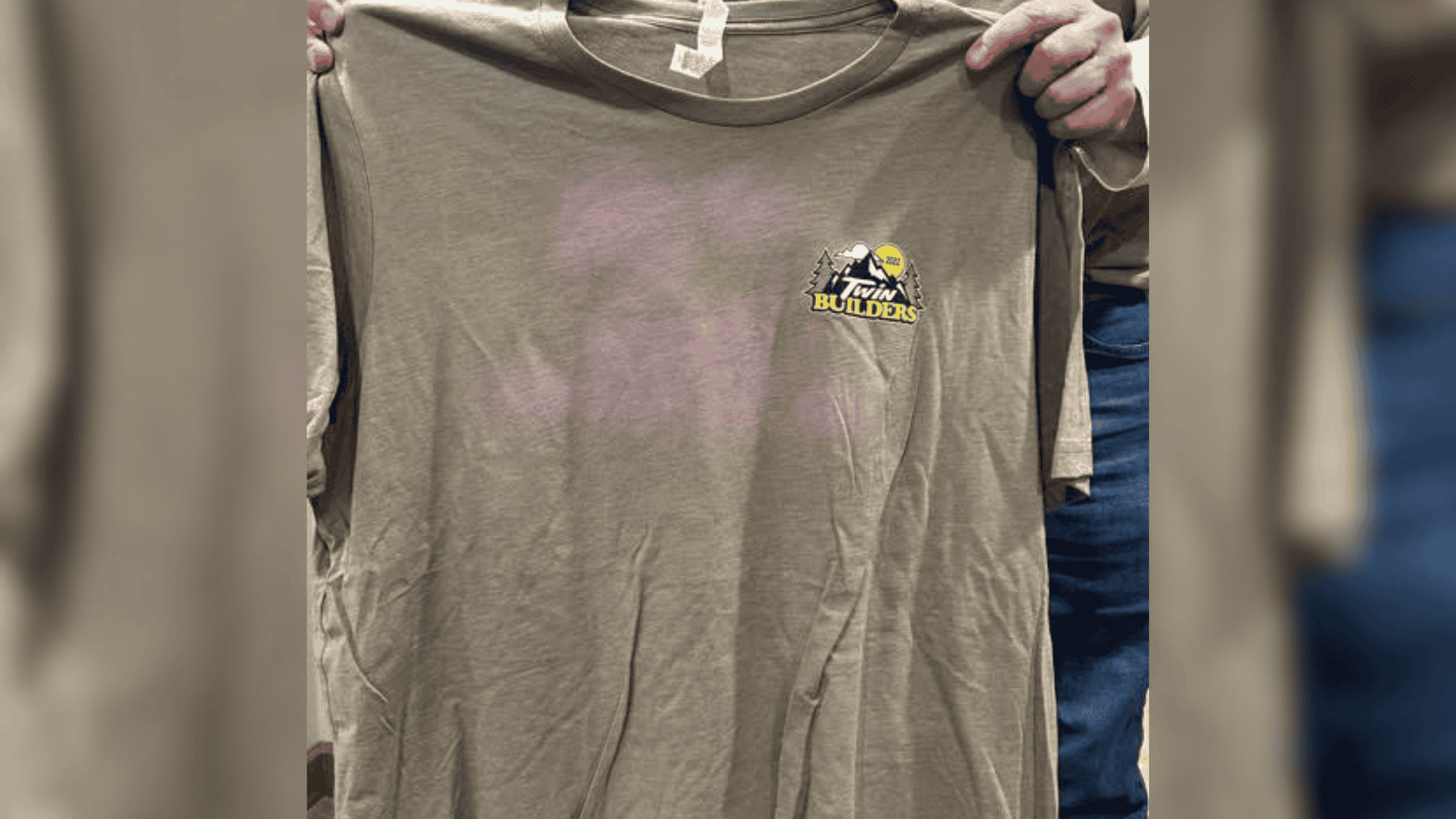
At standard plastisol cure temperatures (~160°C), dyes in polyester fabrics can migrate into the ink film, causing:
Yellowing or colour shift
Dull or muddy whites
Print failure after curing
Low cure plastisol systems are designed to reduce this risk by allowing inks to cure at lower temperatures.
For example, Union Ink’s low cure system operates across a 132°C–160°C cure range, giving printers more flexibility to manage heat and fabric sensitivity .
Our Top 3 White Plastisol Inks for Hoodies
3 — Rutland Super Poly White (EL9746)
Best for 100% Polyester Garments
Rutland Super Poly White is purpose-built for polyester and focuses on bleed resistance and production efficiency.
Key Technical Features
- Designed for 100% polyester substrates
- Strong dye migration resistance
- Fast shearing, short body for increased press speeds
- High opacity and coverage
- Curing & Process
- Cure temperature: 160°C
- Mesh range: 34–62 t/cm
Limitations
- Not recommended for cotton garments
- Performance can be affected by:
- Excessive heat
- Poorly dyed fabrics
- Best Use Case
- Dedicated polyester jobs where bleed resistance is the priority.
2 — Rutland SF2 Low Bleed White (EL9073)
Best All-Round White for Daily Production
SF2 LB White is a versatile, widely used white suited for fleece, blends, and general production.
Key Technical Features
- High opacity with bright white, satin/matte finish
- Creamy, short body for consistent printability
- Excellent fibre mat-down
- Suitable for cotton/poly blends and tri-blends
- Curing & Process
- Cure: 160°C for ~60 seconds
- Requires proper pre-shearing before printing
Limitations
- Dye migration risk increases with:
- Heat-sensitive garments
- High cure temperatures
- Potential for ghosting on certain fabrics
- Best Use Case
- Reliable everyday hoodie printing, especially for blends.
Why White Ink Alone Isn’t Enough
Here’s the reality experienced printers already know:
Some hoodies will bleed no matter what white ink you use.
This includes:
- Sublimated polyester
- Low-quality dyed garments
- High poly-content blends
This is where barrier bases become essential.
Union Ink UPLC Barrier Grey — The “Insurance Layer”
Barrier Grey is designed to act as a blocking layer between the fabric and your white ink, preventing dye migration before it reaches the surface.
Key Technical Features
- Excellent bleed resistance across a wide cure range
- Cures as low as 132°C
- Designed for polyester and high-risk fabrics
Recommended Print Process
- Print 2 strokes Barrier Grey
- Flash until dry to touch
- Print white and or coloured ink on top
Production Notes
Ink must be pre-sheared before use
Lower dryer temps + slower belt speeds improve results
Best Use Case: High-risk hoodie jobs where print failure is not acceptable.
1 — Union Ink UPLC Polar White (UPLC1073)
Best Overall White for Hoodie Printing
UPLC Polar White stands out because it offers process control, not just opacity.
Key Technical Features
- Cure range: 132°C–160°C
- High opacity and bright white finish
- Excellent bleed resistance on blends and polyester
- Soft hand with strong fibre mat-down
- Production Advantages
Lower cure capability helps:
- Reduce dye migration risk
- Minimise fabric stress
- Increase process flexibility
Suitable across:
- Cotton
- Poly blends
- 100% polyester
Handles:
- Fine mesh detail
- Halftones and vector prints
Important Notes
- For extreme bleed garments, pair with Barrier Grey
- Flash only until dry to touch (approx. 2–3 seconds)
Best Use Case: Shops needing one white ink system that can handle multiple substrates with reduced risk.
Why We Recommend This System
At Jones Brothers, we work closely with print shops across Australia and see first-hand where jobs succeed—and where they fail.
As the exclusive distributor of Union Ink products in Australia, we recommend systems that give printers more control, not more variables.
That’s why combinations like:
- UPLC Polar White (low cure control)
- UPLC Barrier Grey (migration protection)
continue to outperform in real production environments.
The Best Setup for Printing Hoodies
Recommended System
Standard jobs (blends, fleece):
→ UPLC Polar White
High-risk polyester:
→ UPLC Barrier Grey + UPLC Polar White
Dedicated poly production:
→ Rutland Super Poly White (with barrier if needed)he film image more accurately .
Final Thoughts: Control Over Guesswork
At a professional level, hoodie printing is about process control, not just product choice.
Lower cure temperatures = less dye activation
Barrier layers = added protection
Correct ink selection = fewer reprints and higher consistency
UPLC Polar White stands out because it gives printers a wider operating window, making it easier to manage real-world production variables.
Important Note for Printers
All information above is based on manufacturer technical documentation.
Always test inks and fabrics under your own production conditions to confirm suitability, durability, and performance.